This page contains affiliate links. If you purchase through them we may earn a small commission at no extra cost to you. Learn more
Battery Storage Without Solar Panels: Is It Worth It in 2026?
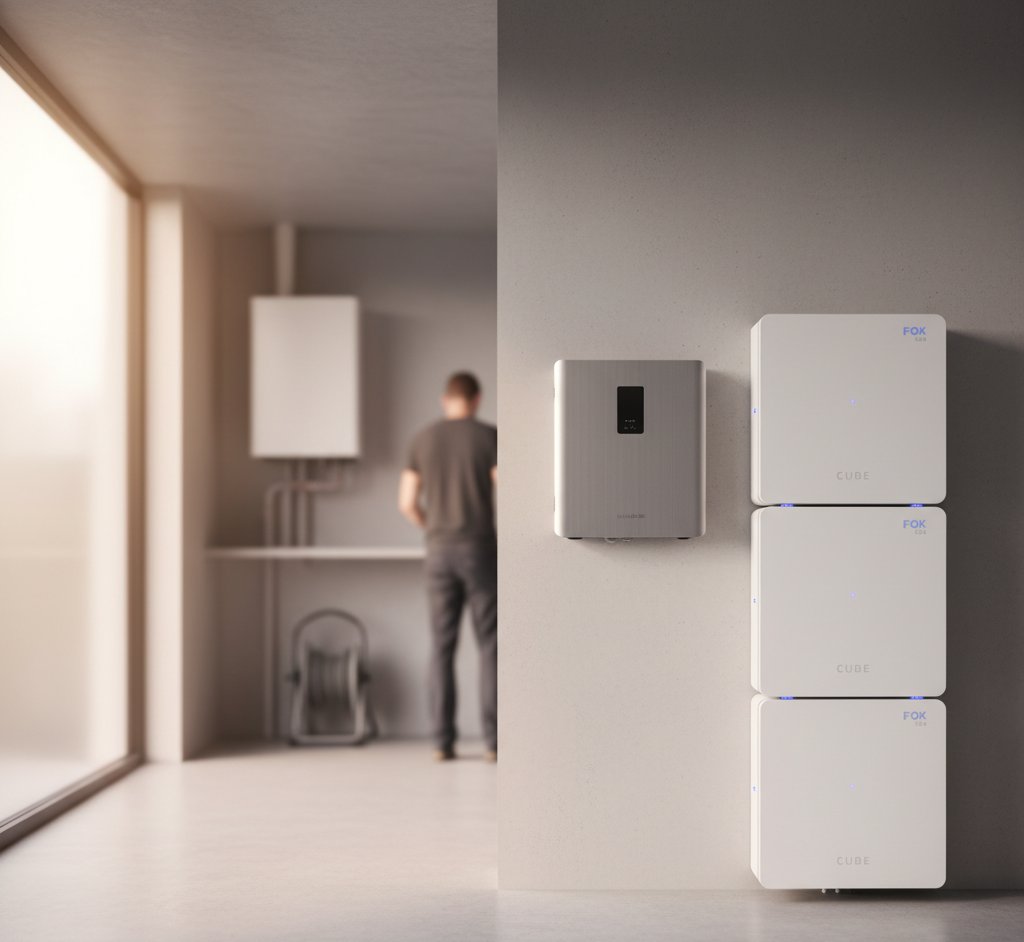
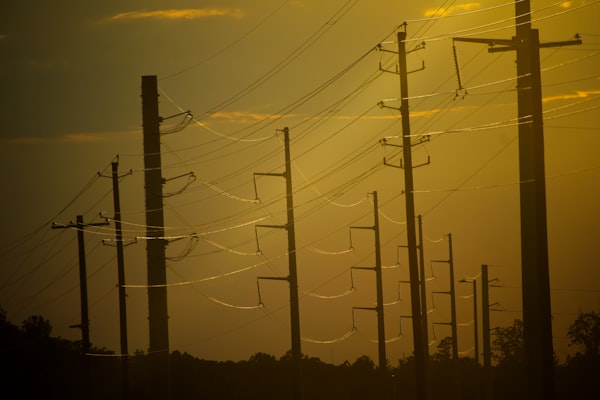
You don't need solar panels to make a battery pay
The conventional narrative goes: get solar panels, add a battery to store the surplus. But there's another route that's gaining traction in the UK: skip the solar entirely, buy a battery, and simply charge it overnight on a cheap tariff.
The logic is straightforward. Electricity costs around 22–24p/kWh during the day on most tariffs. On Octopus Go, the overnight rate drops to 5.5p/kWh for a four-hour window. If you fill a 10kWh battery overnight at 7.5p and use that electricity to power your home during the day — instead of importing at 24p — you're saving 18.5p on every kilowatt-hour you shift.
No panels. No roof work. No planning permission headaches. Just a battery, a time-of-use tariff, and a smart charging schedule.
This article runs the full numbers, walks through which batteries actually support grid-only charging, and gives you an honest verdict on whether battery storage without solar is worth it in 2026.
The maths: how much can you actually save?
The baseline: what UK households actually use
The average UK household consumes around 2,700–3,100 kWh per year — roughly 7–8.5 kWh per day. Larger homes, home workers, and EV owners can easily hit 10–15 kWh/day.
For the calculations below, we'll use a representative 3,500 kWh/year household (about 9.5 kWh/day) — a four-bedroom home with a home office.
The tariff numbers (Octopus Go, early 2026)
- Overnight rate (00:30–04:30): 5.5p/kWh
- Daytime rate (all other times): 22–24p/kWh
- Saving per kWh shifted: 16.5–19.5p
A 10kWh battery, charged overnight and discharged during the day, shifts 10kWh of consumption from the daytime rate to the overnight rate every day — assuming you can use all of it before the next charging window.
Annual cost comparison: with and without a 10kWh battery
| Scenario | Annual import | Rate mix | Annual cost |
|---|---|---|---|
| No battery, flat 24p tariff | 3,500 kWh | All at 24p | £840 |
| Battery on Octopus Go | 3,500 kWh | 2,800 kWh at 5.5p + 700 kWh at 22p | £308 |
| Saving | £462/year |
The 700 kWh at the day rate accounts for consumption that overruns the battery capacity — evening top-ups, high-demand days, appliance spikes. In practice, the saving for a 10kWh battery typically lands in the £400–£600/year range depending on household size and usage patterns.
Smaller battery, more modest saving
A 5kWh battery shifts less consumption per day:
| Battery size | Daily shift | Annual saving (at 18.5p/kWh) | Annual saving |
|---|---|---|---|
| 5kWh | ~4.5kWh (after efficiency losses) | 4.5 × 365 × 18.5p | ~£271 |
| 10kWh | ~9kWh (after efficiency losses) | 9 × 365 × 18.5p | ~£542 |
| 15kWh | ~13.5kWh | 13.5 × 365 × 18.5p | ~£813 |
Round-trip efficiency for lithium batteries is typically 87–92%. Factor in ~10% losses on every charge/discharge cycle — so a 10kWh battery nominally shifts 9kWh of useful electricity per day.
Don't size too big for your daytime usage
A 15kWh battery only earns its full saving if you actually use all 15kWh during the day before the next overnight charge. If your household uses 8kWh/day, a 10kWh battery is likely your sweet spot — not 15kWh. Over-sizing wastes money upfront without proportionally increasing savings.
Which batteries work without solar?
Not all home batteries support grid-only charging. Some are designed exclusively for solar self-consumption and won't charge from the grid at all. You need to specifically check for "grid charge" support before buying.
Here are the most popular options in the UK that support battery-only, no-solar installation:
GivEnergy All-in-One
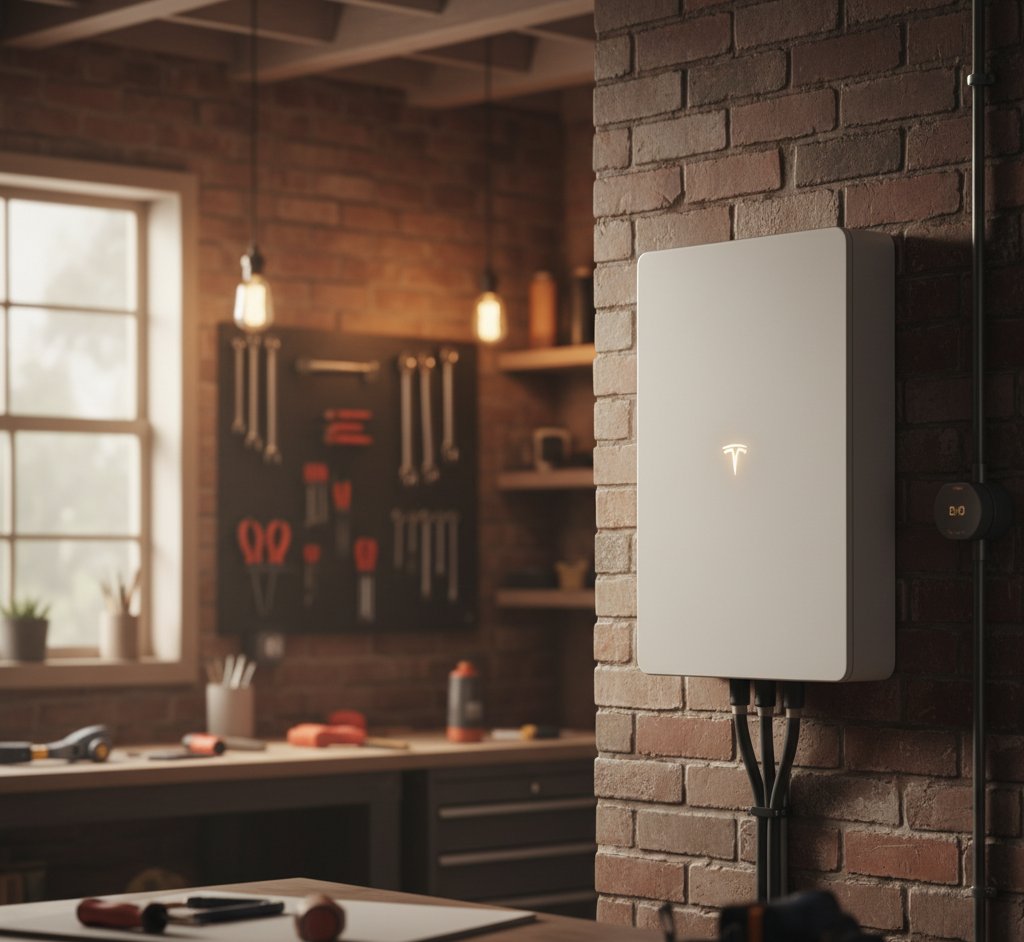
The most popular choice for UK battery-only installs. The GivEnergy All-in-One combines inverter and battery in a single wall-mounted unit. Grid charging is supported natively — you schedule it through the GivEnergy portal or app. Available in 9.5kWh and larger configurations.
Price: Around £4,000–£6,000 installed for the 9.5kWh unit. GivEnergy has an extensive UK installer network and good app support. Widely regarded as the most straightforward system for time-of-use tariff scheduling.
SunSynk
A South African brand with strong UK take-up. SunSynk inverters are highly configurable — you can set time-based charging and discharging with granular control. The app is well-regarded. Works well as a battery-only system or can have solar added later if you change your mind.
Price: £3,500–£5,500 installed for a 5–10kWh system. A good choice if you want flexibility for future solar expansion.
Fox ESS
Strong value positioning in the UK market. Fox ESS systems support grid charging and integrate well with Octopus tariffs. The app has improved significantly. A sensible choice if budget is a priority and you want a hardwired system.
Price: £3,000–£5,000 installed. Less premium than GivEnergy but well-reviewed for reliability.
EcoFlow Delta Pro (plug-in, no installation required)
The outlier on this list. The EcoFlow Delta Pro is a portable power station — 3.6kWh per unit, expandable to 7.2kWh with an extra battery. It plugs into a standard 13A socket to charge (slowly) or a 32A socket for faster charging.
It won't power your whole house — you plug appliances directly into it, or use it to power specific circuits. But for a home office, living room entertainment, or targeted high-draw appliances, it genuinely works. No electrician. No DNO notification. No installation at all.
Price: Around £1,500–£2,000 for the base unit, £2,500–£3,000 with the extra battery. Add-on batteries bring it to 7.2kWh.
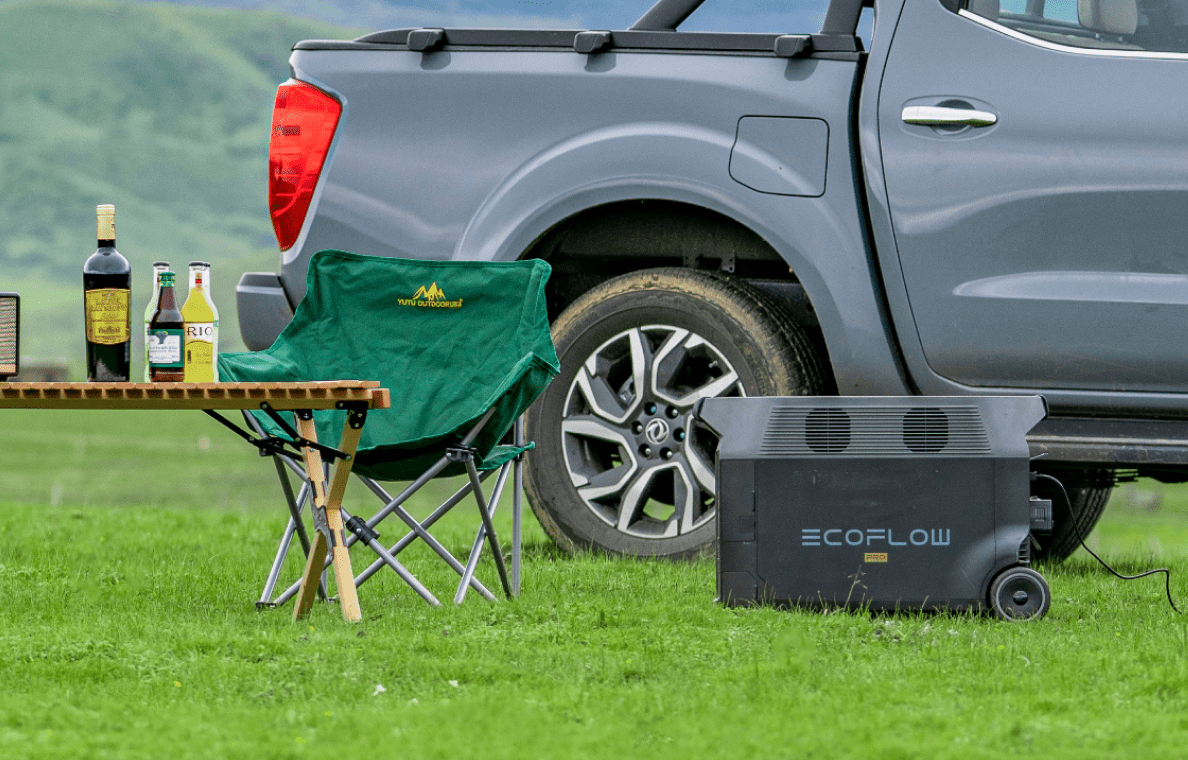
EcoFlow Delta Pro 3.6kWh Portable Power Station
£1,5003.6
3.4
LFP
3500
 View on EcoFlow UK
Affiliate link — we may earn a small commission at no extra cost to you
Fogstar Drift
UK-based Fogstar is well known in the DIY battery community. Their Drift system is a modular, wall-mountable LFP battery designed for grid-tied use. It's popular with technically confident buyers who want competitive pricing and UK-based support.
The Drift can charge from the grid and integrates with common inverters. Fogstar also sells cells and BMS units for more advanced DIY builds. Browse their full range at fogstar.co.uk — pricing is generally 10–20% below the major branded alternatives.
Price: Competitive — check fogstar.co.uk for current pricing, as they update regularly.
Which tariff to pair with your battery
The saving only exists if there's a meaningful gap between your cheap and expensive rates. Here are the main options:
Octopus Go — recommended starting point
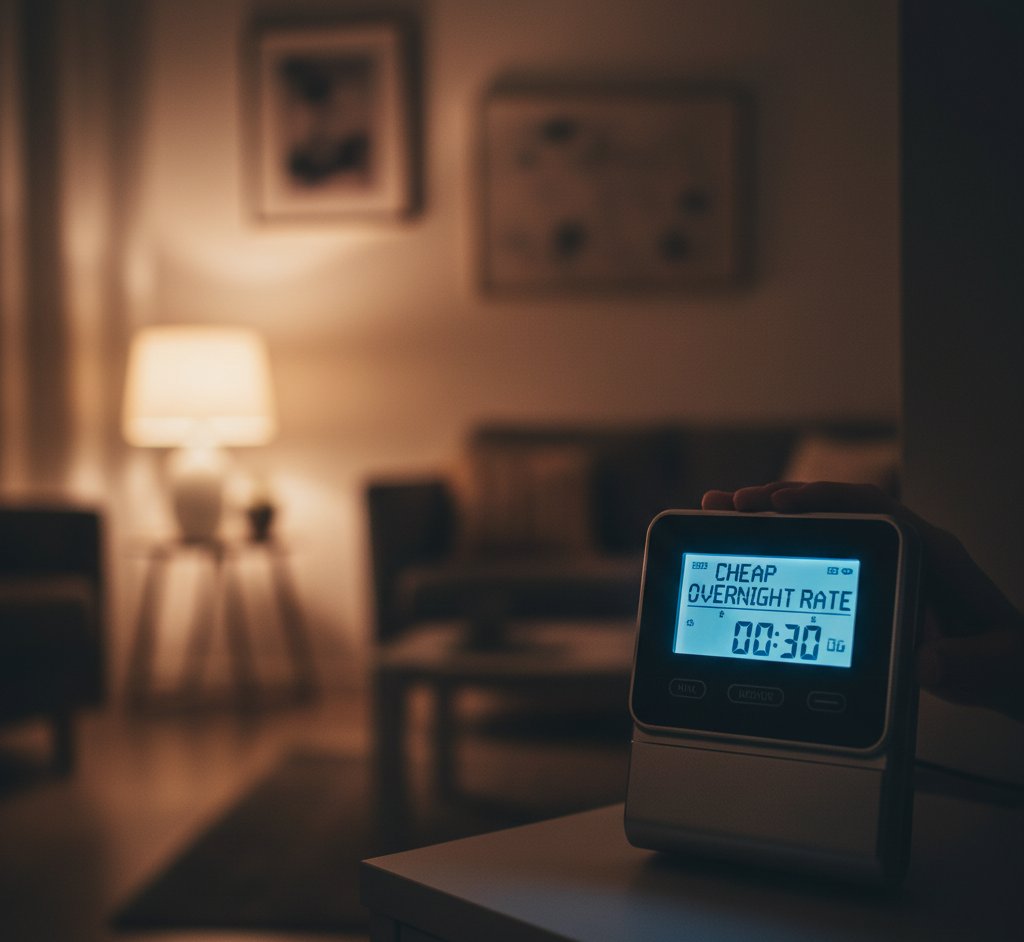
Simple two-rate tariff. Cheap window is 00:30–04:30 at ~5.5p/kWh. Everything else is ~22–24p. Predictable, stable, easy to schedule around. No smart devices required — you just set your battery to charge in the overnight window.
Read our full Octopus Go guide for the complete breakdown.
Octopus Intelligent Go — if you also have an EV
Extends the cheap window to six hours (23:30–05:30) and adds bonus cheap slots throughout the day when the grid has surplus renewable energy. Requires a compatible EV or smart charger.
The extra cheap hours are useful for larger batteries. If you're pairing a 10kWh battery with EV charging, Intelligent Go often works out better than standard Go.
Octopus Agile — for the data-driven optimiser
Half-hourly pricing based on wholesale electricity markets. Can go negative (you're paid to consume) during periods of grid oversupply. The average overnight rate is often lower than Go's fixed 7.5p, but it's variable — sometimes it's 4p, sometimes 12p.
Agile rewards households who can automate their charging around the daily price schedule. Tools like Predbat (a Home Assistant add-on) can read tomorrow's Agile prices and set optimal charge windows automatically.
Read our Octopus Agile guide for the full picture.
Octopus Cosy — worth knowing about
Originally designed for heat pump households. Cheap windows are 04:00–07:00 and 13:00–16:00. Not the best fit for battery charging (the afternoon window overlaps with when you'd want to be using stored electricity), but it works for some usage patterns.
Read our Octopus Cosy guide if you have a heat pump.
Day rates have come down too
Following the April 2026 price cap reduction, Octopus Go's day rate (~24p) is now roughly in line with a standard flat tariff. This means there's no penalty for the electricity you do import during the day — every kWh you shift to the cheap overnight window is pure saving.
Installation and costs
Hardwired systems: what's involved
A GivEnergy, SunSynk, or Fox ESS installation involves:
- The battery unit: Wall-mounted in a garage, utility room, or outside (if the unit is weatherproof-rated)
- The inverter: Often integrated with the battery in an all-in-one unit
- AC wiring: Connected to your consumer unit by a qualified electrician
- Smart meter: Required for Octopus Go (or any time-of-use tariff)
- DNO notification: Usually not required for battery-only installs under 3.68kW export capacity, though your installer should confirm
All-in costs for a hardwired system:
| System | Battery size | Approximate installed cost |
|---|---|---|
| Fox ESS (entry) | 5kWh | £3,000–£4,000 |
| GivEnergy / SunSynk | 5kWh | £3,500–£5,000 |
| GivEnergy All-in-One | 9.5kWh | £4,500–£6,500 |
| GivEnergy / SunSynk | 10kWh+ | £5,000–£7,500 |
Prices vary by region and installer. Get at least three quotes — installation labour varies significantly.
Plug-in systems: no electrician needed
The EcoFlow Delta Pro plugs straight into a standard socket. For faster charging, a 32A outlet (similar to a tumble dryer socket) gets charge times down to around 2 hours for a full 3.6kWh charge. A basic 13A socket takes 6–8 hours — which is fine if you're charging overnight from 00:30.
No planning. No DNO. No installation quote process. You can buy it today and be saving by tomorrow night.
The trade-off: it doesn't integrate with your house wiring, so you plug specific appliances into it rather than powering circuits. It's better suited as a targeted saving tool than a whole-home solution.
Payback period: the honest calculation
Hardwired 10kWh system
- Installed cost: £5,000 (mid-range estimate)
- Annual saving: £500 (conservative, based on 9kWh daily shift at 18.5p)
- Simple payback: 10 years
Factors that shorten payback:
- Higher household consumption (more kWh to shift)
- Electricity prices rising (increases the day rate, widens the spread)
- Adding solar later (battery earns more from solar self-consumption on top)
- Octopus Agile with automation (can increase savings by 20–30% vs fixed Go)
Factors that lengthen payback:
- Battery degradation (capacity fades ~2–3% per year, reducing daily shift over time)
- Tariff changes (overnight rates could rise, narrowing the spread)
- Not cycling daily (the maths assumes daily charging — irregular use reduces savings)
Realistic range: 7–12 years for an installed system. Not a slam-dunk, but not far off the payback period for solar panels either.
EcoFlow Delta Pro plug-in
- Cost: £1,800 (base unit with basic setup)
- Daily shift: ~3kWh useful (3.6kWh × 87% efficiency)
- Annual saving: 3 × 365 × 18.5p = ~£181
- Simple payback: ~10 years
Wait — that's similar to the installed system. The difference: the EcoFlow is a lifestyle product as much as an investment. It can power your home office through a power cut. You can take it camping. You can move it when you move house.
If you're using it to power a home office (monitor, laptop, router, lighting) during the day, the daily shift might be closer to 2.5kWh — making payback around 10–12 years at that saving rate. But if it also replaces a generator, provides backup power you'd otherwise pay for, or lets you avoid a larger-than-needed grid tariff, the value equation shifts.
Who should (and shouldn't) get one
Battery storage without solar is a good fit if:
- You're at home during the day. Home workers, retirees, and families with young children consume most of their electricity in hours when the grid rate is highest. A battery covers exactly those hours.
- You have high daytime consumption. Electric hobs, tumble dryers, dishwashers, gaming setups — if your daytime load is significant, a 10kWh battery will likely discharge fully every day, maximising the saving.
- You're an EV owner. Combine an EV on Intelligent Octopus Go with a home battery. The EV charges at overnight rates. The battery covers daytime home consumption. Both systems work on the same cheap window.
- You want energy resilience. A battery gives you backup power during outages (on systems with EPS functionality, like GivEnergy). For many households, this has real value beyond the pure financial return.
- You're planning solar later. A battery-ready inverter (GivEnergy, SunSynk) can have solar panels added later without replacing the battery hardware. Buy now, expand later.
It's harder to justify if:
- Your household uses less than 5kWh/day. Small households won't fill a battery daily, meaning the system earns less than the calculations above assume. A smaller (and cheaper) battery might still make sense, but the numbers tighten.
- You're renting. Hardwired systems aren't practical without landlord permission. Consider a plug-in EcoFlow instead — it moves with you.
- You're likely to move soon. Hardwired batteries don't easily add to a sale price (buyers often undervalue them), and removing one is a job. If you're moving within three years, the maths rarely work.
- You're on a flat-rate tariff and can't switch. A few households are in situations — prepayment meters, non-smart meters, fixed-term contracts — where switching to Octopus Go isn't straightforward. Without a cheap overnight rate, a battery-only system saves almost nothing.
This article is for educational purposes. Energy prices, tariff rates, and product costs change frequently. All calculations are illustrative — your actual saving will depend on your specific household consumption profile, local installer pricing, and prevailing tariff rates at the time of installation. Get multiple quotes before committing.
For more on how to maximise your battery's return, see our guides on battery arbitrage trading and battery payback analysis.
Share this article

OVO has carefully selected trusted teams across the UK to install solar panels and heat pumps. Enjoy the personal touch of a local expert with the peace of mind of a household name.
Affiliate link — we may earn a small commission at no extra cost to you
Stay informed
Get free solar updates direct to your inbox
Related reading

Battery Arbitrage: Buy Low, Sell High with Solar
How battery arbitrage works with time-of-use tariffs in the UK. Charge cheap, discharge expensive, and boost your solar savings with smart battery trading.
Octopus Go and Intelligent Go Explained
How Octopus Go and Intelligent Octopus Go work for UK households with EVs and solar panels — rates, eligibility, and real-world savings in 2026.
Plug-In Battery Storage: EcoFlow, Anker & Portable Power Stations
Are portable power stations like the EcoFlow Delta Pro worth it for UK home solar storage? We compare plug-in batteries to proper solar battery systems.


Switch to Octopus Energy
Get 50 credit when you switch. We get 50 too — win-win.
What does this mean for YOUR home?
Design your perfect solar setup in under 3 minutes. Free, no sign-up required.
Build Your Solar System