This page contains affiliate links. If you purchase through them we may earn a small commission at no extra cost to you. Learn more
Plug-In Battery Storage: EcoFlow, Anker & Portable Power Stations
What are plug-in batteries?
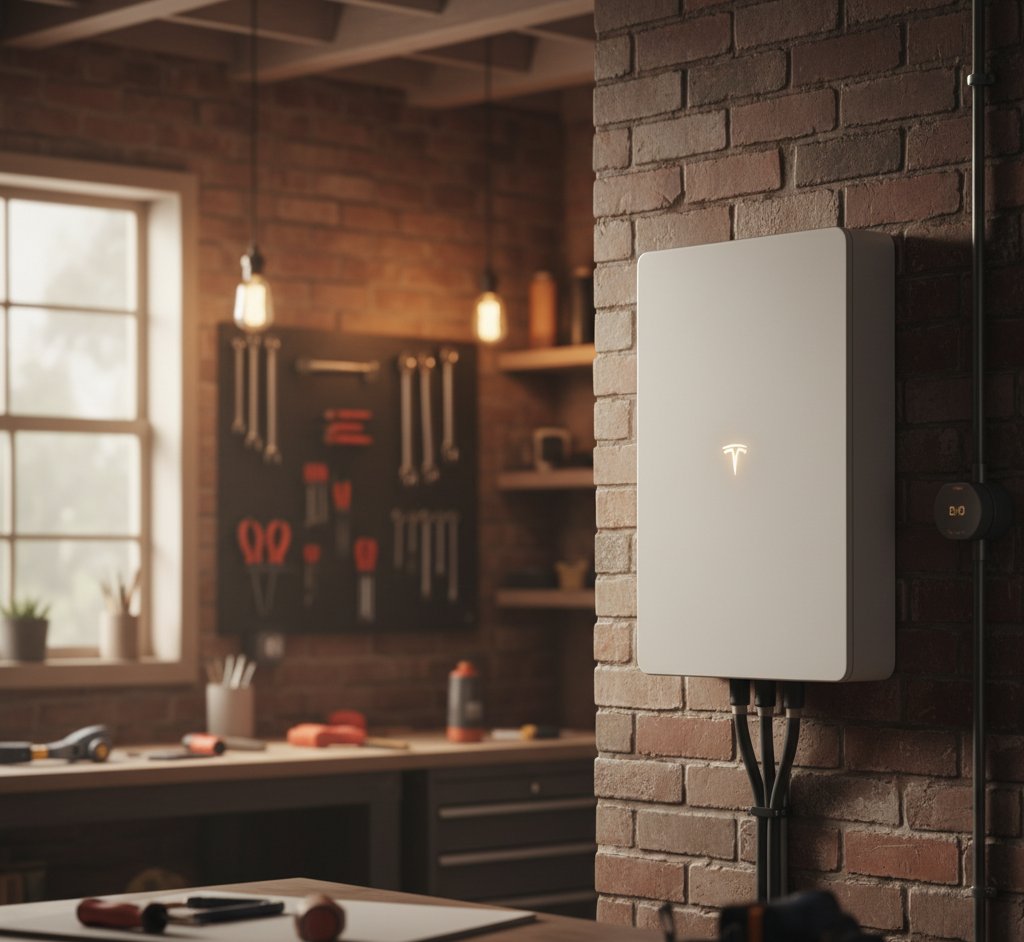
Plug-in batteries — also called portable power stations or solar generators — are self-contained battery units with built-in inverters that connect to your home through standard 13A plug sockets. No electrician required. No DNO notification. No installation whatsoever.
The market leaders in 2026 are EcoFlow (Delta Pro series), Anker (SOLIX range), and Bluetti (AC series). These started as camping and emergency backup products but have evolved into semi-serious home energy storage options.
The appeal is obvious: buy it, plug it in, connect some solar panels, and start storing energy. But the reality is more nuanced than the marketing suggests.
How do they work with solar?
There are two main configurations:
Direct solar charging
Most portable power stations accept DC input from solar panels via MC4 connectors or proprietary adapters. You put solar panels on your balcony, garden, or flat roof, connect them to the power station, and it charges during the day. You then use the stored energy to power devices via the unit's AC outlets or USB ports.
This is genuinely useful for people who can't install a proper solar system — renters, leaseholders, people in flats with balconies.
Grid integration via plug
The EcoFlow Delta Pro (and some Anker/Bluetti units) offer a "whole home" mode using a smart plug or transfer switch. The battery charges from the grid during cheap overnight hours (e.g., Octopus Go at 5.5p/kWh) and discharges during peak hours to offset your grid consumption.
This works by back-feeding through a plug socket — the battery's inverter pushes power into that circuit. It's technically functional but has limitations: you're limited to 13A (3kW) throughput, the double AC-DC-AC conversion loses efficiency, and some energy companies' terms of service may not love the idea.
Back-feeding through plug sockets
Feeding power back through a 13A plug socket is legal in the UK but controversial. The installation must comply with BS 7671 and the EcoFlow smart plug system is designed to island (disconnect) if grid power is lost, preventing back-feed to the grid. However, DIY back-feeding setups without proper anti-islanding protection are dangerous and potentially illegal. Only use the manufacturer's approved integration method.
EcoFlow Delta Pro: the benchmark
The EcoFlow Delta Pro is the most popular plug-in battery in the UK solar community. Here's what you get:
| Spec | EcoFlow Delta Pro |
|---|---|
| Capacity | 3.6kWh |
| Expandable | Up to 10.8kWh (with extra batteries) |
| Inverter output | 3,600W (7,200W surge) |
| Solar input | Up to 1,600W |
| Weight | 45kg |
| Cycle life | 3,500 cycles to 80% |
| Price | ~£2,500–£3,000 |
What it does well:
- Genuinely portable — you can take it camping, to events, or use it during power cuts
- No installation required
- Excellent app and monitoring
- UPS function (automatic switchover during power cuts)
- Works as a standalone off-grid solar system with balcony panels
Where it falls short:
- £700+/kWh is extremely expensive compared to rack-mount batteries (£80–£240/kWh)
- Round-trip efficiency is around 85–88% in grid-tie mode (vs 95%+ for hardwired systems)
- 3.6kWh base capacity is small — you'll want the expansion batteries
- Not eligible for any solar grants or SEG payments
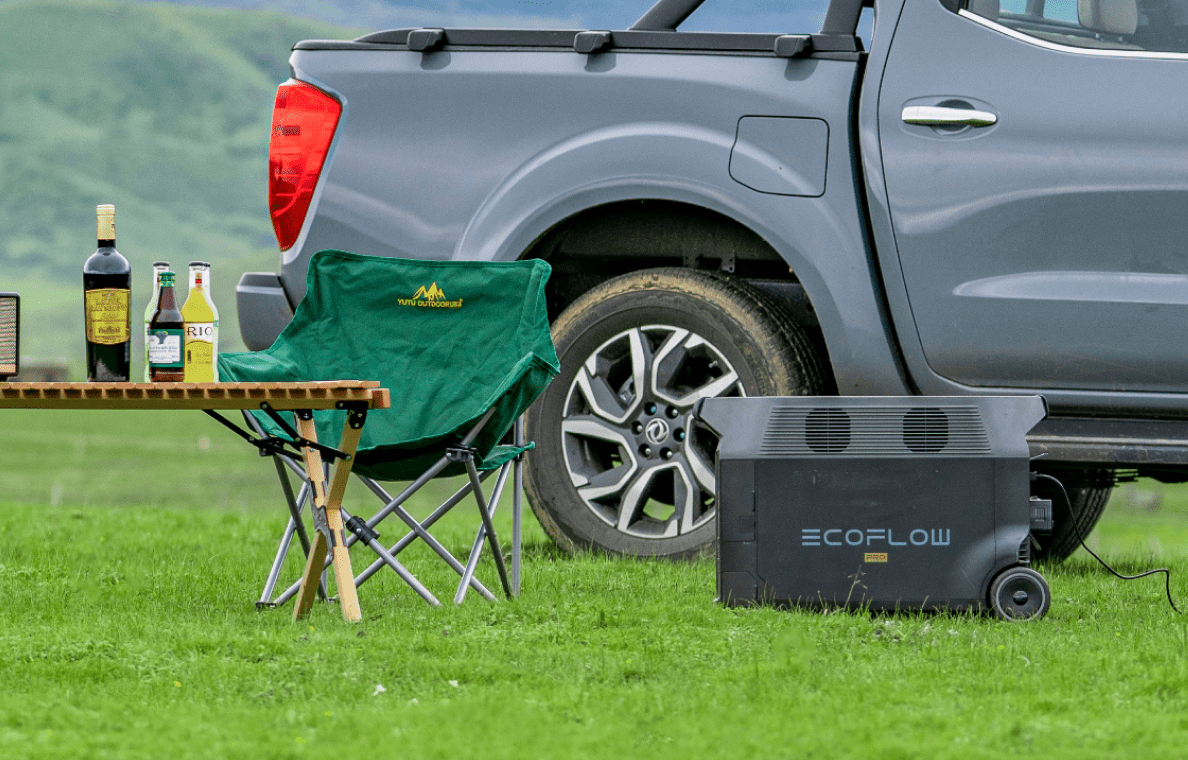
EcoFlow Delta Pro 3.6kWh Portable Power Station
£1,5003.6
3.4
LFP
3500
 View on EcoFlow UK
Affiliate link — we may earn a small commission at no extra cost to you
Cost comparison: plug-in vs hardwired
Let's compare like-for-like at 10kWh of storage:
| System | Capacity | Total cost | Cost per kWh |
|---|---|---|---|
| EcoFlow Delta Pro + 2 extra batteries | 10.8kWh | ~£7,000 | ~£650/kWh |
| Fogstar Drift x2 + GivEnergy inverter | 10.2kWh | ~£4,000 | ~£390/kWh |
| EcoWorthy x2 + budget inverter | 10.2kWh | ~£2,200 | ~£215/kWh |
| Tesla Powerwall 3 (installed) | 13.5kWh | ~£9,000 | ~£670/kWh |
The plug-in approach is comparable in cost to a fully installed professional install system — but without the efficiency, capacity, or integration benefits. As a value proposition for pure home solar storage, it doesn't make financial sense.
When plug-in batteries DO make sense
Despite the cost premium, there are legitimate use cases:
Renters
If you rent your home, you can't install a hardwired battery system. A plug-in battery with balcony solar panels is the only viable option for solar storage. And it goes with you when you move.
Flat-dwellers
No roof access, no garage for a battery rack. A compact power station under a desk with a 400W balcony panel is a real option.
Emergency backup
If your priority is keeping the lights on during power cuts rather than daily solar storage, a portable power station is arguably better than a hardwired battery. It works anywhere, needs no installation, and provides instant UPS functionality.
Supplementary / mobile use
If you also go camping, attend events, or need power at an allotment or workshop, the portability has genuine additional value that a rack-mount battery can never offer.
Time-of-use tariff arbitrage (small scale)
On an Octopus Go tariff, charging 3.6kWh at 5.5p and using it during peak at 24p saves roughly 67p per day — about £244/year. Not a fast payback on a £2,500 device, but it's completely passive income with zero installation.
The renter's solar starter kit
A 400W portable solar panel (around £350) plus an EcoFlow Delta Pro gives a renter roughly 1.5–2kWh of free solar electricity per day in summer. That's a meaningful dent in electricity bills without touching the building's electrics. Not the cheapest route to solar, but the only route available to many people.
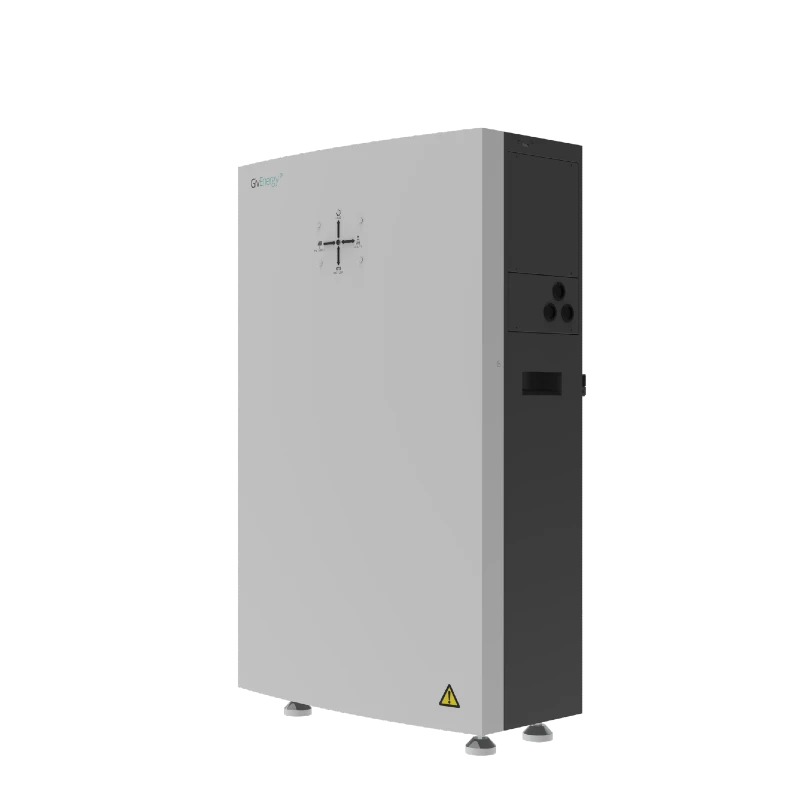
GivEnergy All-in-One 9.5kWh Battery
£5,5009.5
8.6
LFP
6000
Affiliate link — we may earn a small commission at no extra cost to you
Anker SOLIX and Bluetti alternatives
The EcoFlow Delta Pro isn't the only option:
Anker SOLIX F2000 — similar capacity and features at a slightly lower price point. Less established in the UK solar community but Anker's consumer electronics reputation provides some reassurance.
Bluetti AC200MAX — expandable to 8.2kWh, solid build quality, competitive pricing. Popular in the European off-grid community.
Both are viable alternatives. The EcoFlow wins on ecosystem maturity and UK community support, but check current pricing — these markets move fast.
The honest verdict
Plug-in batteries are a clever product that fills a real niche. But they are not a sensible alternative to a proper hardwired solar battery system for most homeowners. The cost per kWh is too high, the efficiency is too low, and the capacity is too limited.
If you own your home and can install a DIY battery system or a professional install solution, do that instead. You'll get more storage, better efficiency, and lower cost per kWh.
If you rent, live in a flat, or need genuine portability, plug-in batteries are the best (and often only) option. Just go in with realistic expectations about payback periods.
Share this article

OVO has carefully selected trusted teams across the UK to install solar panels and heat pumps. Enjoy the personal touch of a local expert with the peace of mind of a household name.
Affiliate link — we may earn a small commission at no extra cost to you
Stay informed
Get free solar updates direct to your inbox
Related reading
Solar Battery Storage: Complete UK Guide 2026
Everything you need to know about adding battery storage to a UK solar installation — types, sizing, costs, and which products are worth considering in 2026.
DIY Battery Storage in the UK: Complete Beginner's Guide
A practical guide to building your own DIY solar battery storage system in the UK — costs, legality, components, and whether it's actually worth it in 2026.

Cheapest 20kWh Battery Storage Options in the UK (2026)
The cheapest ways to build a 20kWh home battery storage system in the UK — comparing DIY, budget modules, and professional install options with real 2026 prices.


Switch to Octopus Energy
Get 50 credit when you switch. We get 50 too — win-win.
What does this mean for YOUR home?
Design your perfect solar setup in under 3 minutes. Free, no sign-up required.
Build Your Solar System