This page contains affiliate links. If you purchase through them we may earn a small commission at no extra cost to you. Learn more
Economy 7 and Economy 10 with Solar: Still Worth It?
What are Economy 7 and Economy 10?
Economy 7 and Economy 10 are time-of-use electricity tariffs that have been around since the 1970s. They were designed for homes with electric storage heaters and immersion hot water tanks — the idea being to heat up overnight using cheap electricity, then release that heat during the day.
Economy 7:
- 7 hours of cheap overnight electricity (typically midnight–7am, varies by region)
- Standard (expensive) rate for the remaining 17 hours
- Typical rates: 10–12p off-peak, 30–35p peak
Economy 10:
- 10 hours of cheap electricity split across the day
- Typically: 5 hours overnight + 3 hours afternoon + 2 hours evening
- The exact hours vary by region and can be frustratingly hard to pin down
- Typical rates: 10–12p off-peak, 28–33p peak
Both tariffs require a special meter — either an older two-register meter or a SMETS2 smart meter configured for multi-rate billing.
The problem with Economy 7/10 in 2026
These tariffs were designed for a world without solar panels, batteries, EVs, or smart meters. The core issue is the day rate.
On Economy 7, you might pay 32p/kWh during the day — that's 6–8p more than a standard flat tariff. For every kWh you use during non-cheap hours, you're paying a premium.
Before solar, the calculation was simple: if more than ~40% of your electricity use fell within the cheap window (heating and hot water), Economy 7 saved money. If not, you paid more overall.
How solar changes the equation
Solar panels generate electricity during the day — exactly when Economy 7/10's expensive rate applies. This fundamentally changes the economics:
Without solar on Economy 7:
- Daytime usage (10 kWh/day × 32p) = £3.20/day
- Overnight usage (8 kWh/day × 11p) = £0.88/day
- Daily cost: £4.08
With solar on Economy 7 (summer day):
- Daytime usage (10 kWh, 8 kWh from solar, 2 kWh from grid × 32p) = £0.64/day
- Overnight usage (8 kWh × 11p) = £0.88/day
- Daily cost: £1.52
Solar slashes the impact of the expensive day rate by generating free electricity during those hours. The fewer daytime kWh you import at 32p, the less the high day rate hurts.
The key insight: Solar panels are worth more on Economy 7 than on a flat tariff because each kWh of solar displaces a more expensive unit of grid electricity. A kWh of solar on a 24p flat tariff saves 24p. A kWh of solar on Economy 7's 32p day rate saves 32p.
Solar makes Economy 7's weakness a strength
The expensive day rate that makes Economy 7 unattractive for normal households becomes an advantage when solar covers most daytime usage. Your panels earn their keep at a higher effective rate.
Should you stay on Economy 7/10 with solar?
It depends on your usage pattern:
Stay on Economy 7/10 if:
- You have storage heaters or an immersion tank that uses significant overnight electricity
- Your solar system covers most of your daytime consumption (minimal daytime imports)
- Your battery charges overnight at the cheap rate
- You've run the numbers and Economy 7/10 comes out cheaper
Switch to a modern tariff if:
- You import a lot during the day (small solar system, high daytime usage)
- You want smart features like automatic scheduling
- You want better export rates (Economy 7/10 SEG rates are basic)
- You're getting a smart meter anyway
The modern alternatives:
| Tariff | Cheap hours | Off-peak rate | Day rate |
|---|---|---|---|
| Economy 7 | 7 (overnight) | ~11p | ~32p |
| Economy 10 | 10 (split) | ~11p | ~30p |
| Octopus Go | 4 (overnight) | ~5.5p | ~24p |
| E.ON Next Drive | 7 (overnight) | ~7p | ~24p |
| Octopus Flux | 3 (overnight) | ~10p | ~24p/34p |
Notice that modern tariffs generally offer cheaper off-peak rates AND cheaper day rates. Economy 7/10's rates haven't kept pace with competition.
Economy 10 hours are a headache
Economy 10's split cheap periods vary by region and meter type, and some suppliers can't even tell you exactly when your cheap hours are. If you're on Economy 10 and can't determine your cheap windows, you may be paying the expensive rate for usage you thought was cheap. A smart meter resolves this ambiguity.
Economy 7/10 with a battery
A solar battery changes the calculation further:
Charge overnight: Fill the battery at 10–11p/kWh during the Economy 7 cheap window.
Discharge during the day: Use battery power for any daytime needs that solar doesn't cover, avoiding the 32p day rate.
The maths: Each kWh charged overnight at 11p and discharged during the day saves 21p (32p day rate minus 11p overnight rate). A 10kWh battery cycling once per day saves £2.10/day, or roughly £766/year.
However, modern tariffs offer even better arbitrage. Octopus Go charges at 5.5p and avoids a 24p day rate — an 18.5p spread. But Economy 7's spread (21p) is wider, so per-cycle savings are slightly higher on Economy 7 if your day rate imports are minimal.
The comparison is nuanced. Economy 7's larger spread slightly favours it for pure arbitrage, but Go's much lower overnight rate and equal day rate mean it wins for most households with significant overnight charging needs.
Making the switch
If you decide to leave Economy 7/10:
- Get a smart meter — if you still have an old two-register meter, request a SMETS2 smart meter from your supplier. It's free.
- Compare tariffs — use a comparison site or check suppliers directly. Factor in your solar generation and battery storage.
- Consider your heating — if you have storage heaters, switching from Economy 7 requires rethinking how you heat your home. A heat pump or modern electric heating system changes the equation entirely.
- Check your SEG options — modern tariffs often integrate better with solar export payments.
If you're considering adding a battery to optimise your Economy 7 or modern tariff, these are popular choices:
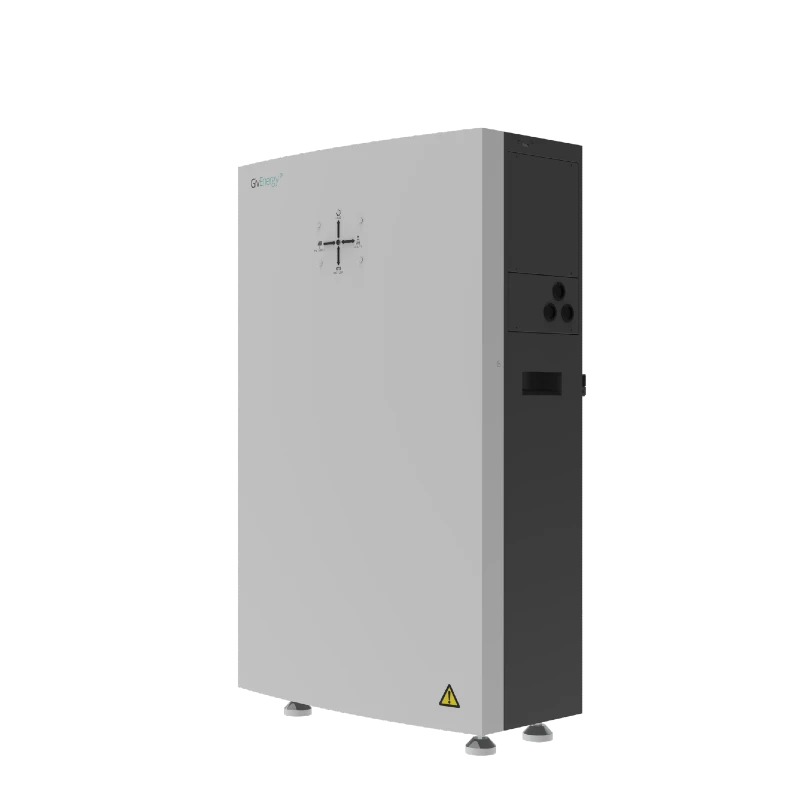
GivEnergy All-in-One 9.5kWh Battery
£5,5009.5
8.6
LFP
6000
Affiliate link — we may earn a small commission at no extra cost to you
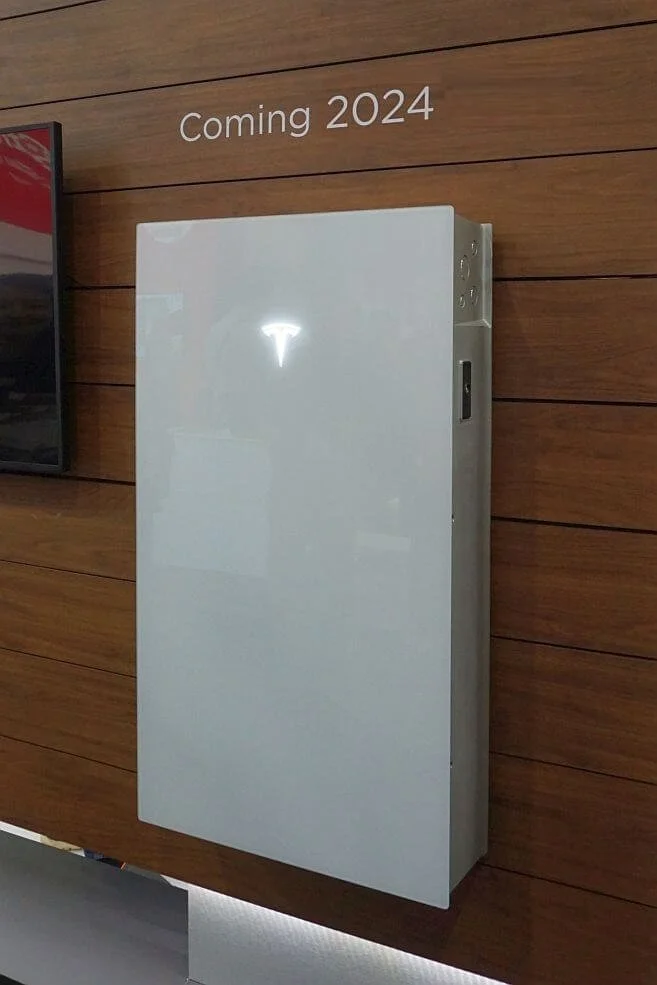
Tesla Powerwall 3
£8,50013.5
13.5
LFP
4000
Affiliate link — we may earn a small commission at no extra cost to you
The verdict
Economy 7 and Economy 10 are outdated tariffs that can still work for solar households under specific conditions — mainly when you have storage heating, high overnight usage, and enough solar to avoid most daytime imports.
For most solar households in 2026, a modern time-of-use tariff like Octopus Go, Flux, or E.ON Next Drive will deliver better savings with smarter features. The cheap overnight rates are cheaper, the day rates are lower, and the integration with solar and battery systems is purpose-built rather than accidental.
If you're on Economy 7/10 and have solar, run the numbers with your actual usage data. You might be surprised — either way.
Share this article

OVO has carefully selected trusted teams across the UK to install solar panels and heat pumps. Enjoy the personal touch of a local expert with the peace of mind of a household name.
Affiliate link — we may earn a small commission at no extra cost to you
Stay informed
Get free solar updates direct to your inbox
Related reading
Octopus Go and Intelligent Go Explained
How Octopus Go and Intelligent Octopus Go work for UK households with EVs and solar panels — rates, eligibility, and real-world savings in 2026.

Standing Charges: What You're Paying Before Using a Single kWh
What electricity standing charges are, why they exist, how they affect solar panel savings, and whether zero standing charge tariffs are worth it in 2026.
Smart Meters and Solar Panels: What You Need to Know
How smart meters work with UK solar panels — export measurement, SEG eligibility, common problems, and why SMETS2 meters matter for solar households.


Switch to Octopus Energy
Get 50 credit when you switch. We get 50 too — win-win.
What does this mean for YOUR home?
Design your perfect solar setup in under 3 minutes. Free, no sign-up required.
Build Your Solar System