This page contains affiliate links. If you purchase through them we may earn a small commission at no extra cost to you. Learn more
Switching from Feed-in Tariff to SEG: Should You?
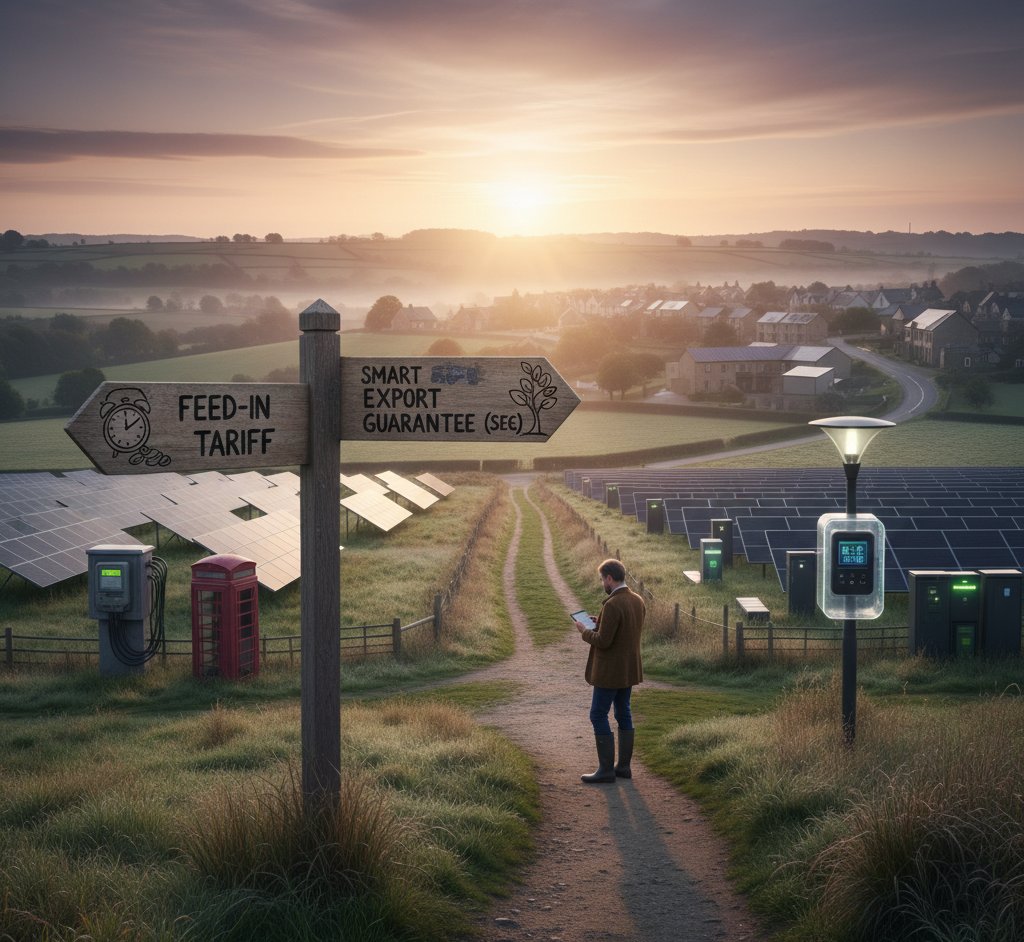
The short answer
Do not switch from the Feed-in Tariff to the Smart Export Guarantee. In almost every scenario, the FiT is worth more. The rest of this article explains why, and covers the rare edge cases where switching might be considered.
Understanding what you'd be giving up
Feed-in Tariff structure
The FiT has two components:
-
Generation tariff — paid for every kWh your panels generate, whether you use it yourself or export it. This is the valuable part. Rates vary from ~3p to ~55p/kWh depending on when you registered, and they increase annually with RPI inflation.
-
Export tariff — paid for electricity you export to the grid. Typically 3–6p/kWh (also index-linked). Without a smart meter, export is deemed at 50% of generation.
SEG structure
The SEG pays only for exported electricity. There is no generation payment. Rates range from around 12–15p/kWh on competitive tariffs as of early 2026.
The critical difference
The FiT generation tariff pays you for every kWh your panels produce — even the electricity you consume yourself. The SEG only pays for what you export. This fundamental difference makes the FiT vastly more valuable in almost all cases.
Example: A 4kW system generating 3,800 kWh/year on a FiT generation rate of 14p/kWh (registered ~2016):
- FiT generation payment: 3,800 x 14p = £532/year
- FiT export payment (deemed 50%): 1,900 x 5.5p = £104.50/year
- Total FiT income: £636.50/year
The same system on the best SEG rate:
- SEG export payment (actual export ~1,500 kWh): 1,500 x 15p = £225/year
That's a difference of over £400/year. And the FiT increases with inflation while the SEG rate could drop.
Switching is permanent
Once you leave the Feed-in Tariff, you cannot return to it. This is not a trial. It is an irrevocable decision. Even if the SEG later proves less valuable than expected, you cannot rejoin the FiT scheme. Make absolutely certain before considering a switch.
When people think about switching
"I want to add a battery"
This is the most common reason people consider switching. Adding a battery increases self-consumption, which means less export. Some people reason that since they'll export less, the FiT export payment matters less, and the SEG might be better.
The reality: You can add a battery and keep your FiT. There's no requirement to leave the FiT when installing a battery. The FiT generation tariff still pays you for every kWh generated, regardless of whether you consume it, store it, or export it.
Adding a battery while on the FiT is excellent — you get:
- FiT generation payment on all generation
- Self-consumption savings (avoiding ~24.5p/kWh imports)
- Reduced export, but you still earn the FiT export tariff on what you do export
"My FiT rate is very low"

Some early adopters registered before the higher FiT rates kicked in, or registered at a lower band. If your generation tariff is under 5p/kWh, the maths might be closer.
Even then, check carefully. A 5p/kWh generation tariff on 3,800 kWh = £190/year, plus export income of ~£80/year = £270/year total. The best SEG would pay perhaps £225/year. Still worse in most cases.
The only scenario where SEG wins is if your FiT generation rate is below about 3p/kWh AND you can get a premium SEG rate AND you have a battery to minimise export. This applies to very few installations.
"I want a time-of-use export tariff"
Tariffs like Octopus Flux pay premium rates for export during peak hours (4–7pm). With a battery, you could export stored solar during peak hours and earn 20–25p/kWh. This sounds attractive compared to a FiT export rate of 5p/kWh.
But remember: you'd lose the generation tariff entirely. Unless your generation tariff is very low, the maths doesn't work.
Example with a higher FiT rate (20p/kWh generation):
- FiT income: 3,800 x 20p + 1,000 x 5.5p = £815/year
- Best possible SEG + Flux export: 1,500 x 20p = £300/year
- Switching costs you £515/year — forever
You can change your SEG export supplier without leaving FiT
A common misconception: some people think they need to leave the FiT to join a new SEG. That's not how it works. The FiT and SEG are separate schemes. You're on the FiT for generation payments (from your FiT licensee) and can separately join an SEG tariff for export — but only if you're not already receiving FiT export payments. You can't double-dip on export payments, but you keep the generation tariff regardless.
The export payment question
Under the FiT, most households without smart meters receive "deemed export" — the supplier assumes you export 50% of generation and pays accordingly. If you actually export less than 50% (because you have a battery or high daytime consumption), you're being overpaid on the deemed export.
This is a hidden benefit of the FiT. If your system generates 3,800 kWh and you actually export 800 kWh (because your battery absorbs most surplus), you still get paid for 1,900 kWh of deemed export. That's free money.
If you install a smart meter, your FiT export payment will switch to actual metered export. This might reduce your FiT export income if you have a battery. Some FiT recipients delay smart meter installation for this reason — though energy suppliers are pushing hard for smart meter adoption.
Adding a battery is one of the best ways to maximise your FIT system's value:
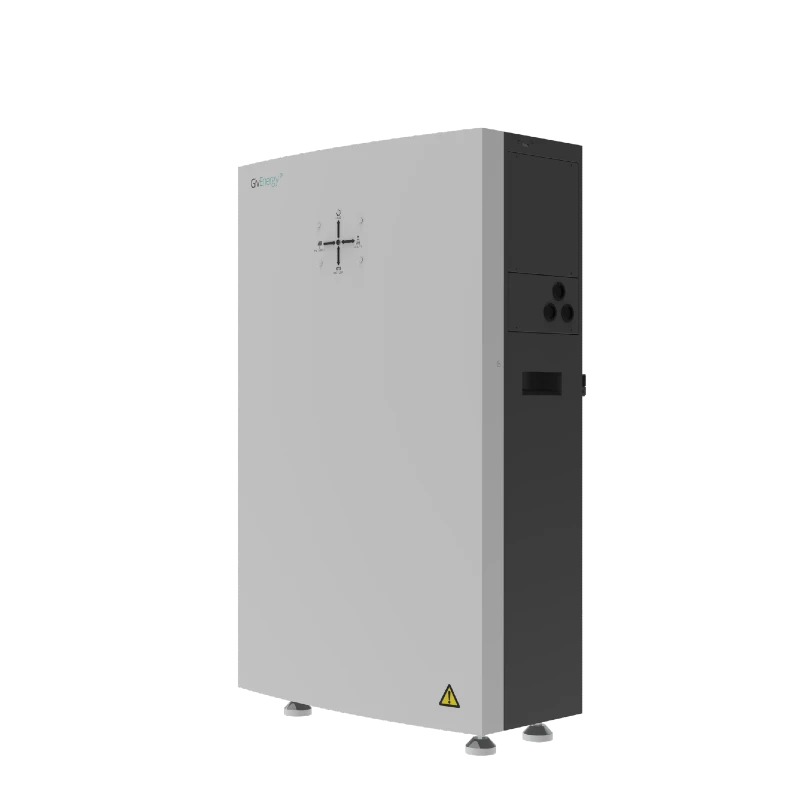
GivEnergy All-in-One 9.5kWh Battery
£5,5009.5
8.6
LFP
6000
Affiliate link — we may earn a small commission at no extra cost to you
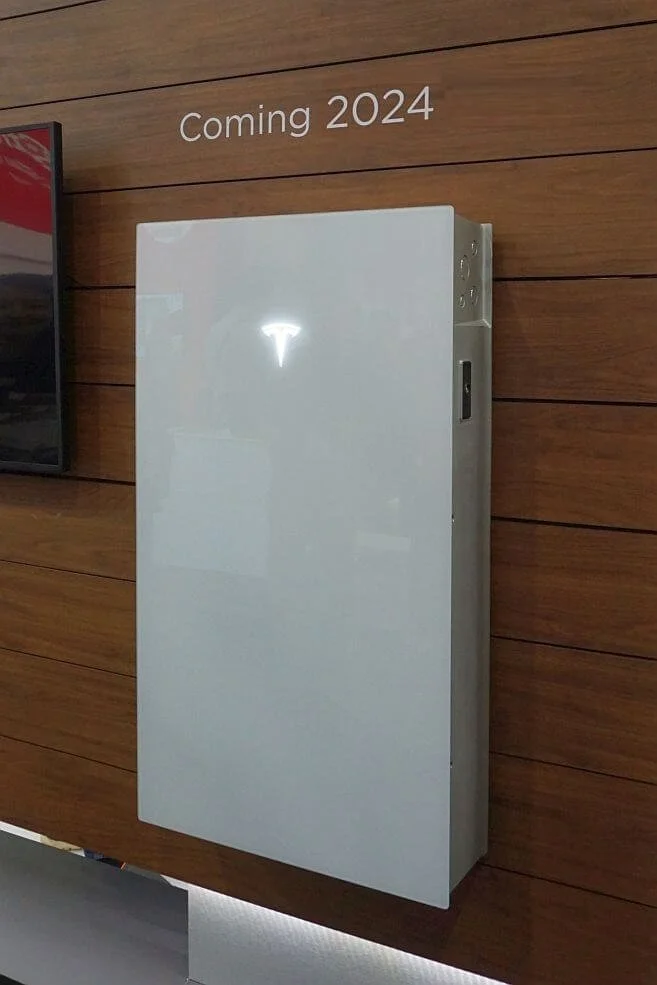
Tesla Powerwall 3
£8,50013.5
13.5
LFP
4000
Affiliate link — we may earn a small commission at no extra cost to you
What to do instead of switching
If you're on the FiT and want to maximise your income:
- Keep the FiT — protect your generation payments
- Add a battery — increase self-consumption without losing FiT income
- Consider delaying smart meter upgrade — if you export less than the 50% deemed amount (seek advice on this, as supplier policies vary)
- Maximise generation — keep panels clean, replace failing inverters promptly, consider adding optimisers if shading has worsened
The only scenario for switching
You might rationally consider switching if ALL of the following apply:
- Your FiT generation rate is below 4p/kWh
- Your FiT is close to expiry (within 2–3 years)
- You have or plan to install a large battery (10kWh+)
- You can access a premium time-of-use export tariff (Flux, Agile Outgoing)
- You've run the specific numbers for your system and confirmed the SEG beats your remaining FiT income
Even then, it's usually better to wait until the FiT expires naturally rather than leaving early.
When your FiT expires
FiT contracts last 20 or 25 years from registration. When yours expires, you'll automatically need to move to the SEG (or whatever export scheme exists at that point). No action is needed now — just be aware of your expiry date and plan accordingly when the time comes.
Your FiT licensee (the company paying you) should notify you before expiry. When the time comes, shop around for the best SEG rate and consider whether your system setup (panel age, inverter condition, battery) needs updating.
Share this article

OVO has carefully selected trusted teams across the UK to install solar panels and heat pumps. Enjoy the personal touch of a local expert with the peace of mind of a household name.
Affiliate link — we may earn a small commission at no extra cost to you
Stay informed
Get free solar updates direct to your inbox
Related reading
SEG Rate Comparison: Who Pays the Most for Export?
Compare Smart Export Guarantee (SEG) rates from UK energy suppliers in 2026. Find who pays the best rate for your exported solar electricity.

How Much Do Solar Panels Cost in the UK in 2026?
Realistic UK solar panel costs broken down by system size, installation, and what actually affects the price you'll be quoted.
Solar Battery Storage: Complete UK Guide 2026
Everything you need to know about adding battery storage to a UK solar installation — types, sizing, costs, and which products are worth considering in 2026.


Switch to Octopus Energy
Get 50 credit when you switch. We get 50 too — win-win.
What does this mean for YOUR home?
Design your perfect solar setup in under 3 minutes. Free, no sign-up required.
Build Your Solar System