This page contains affiliate links. If you purchase through them we may earn a small commission at no extra cost to you. Learn more
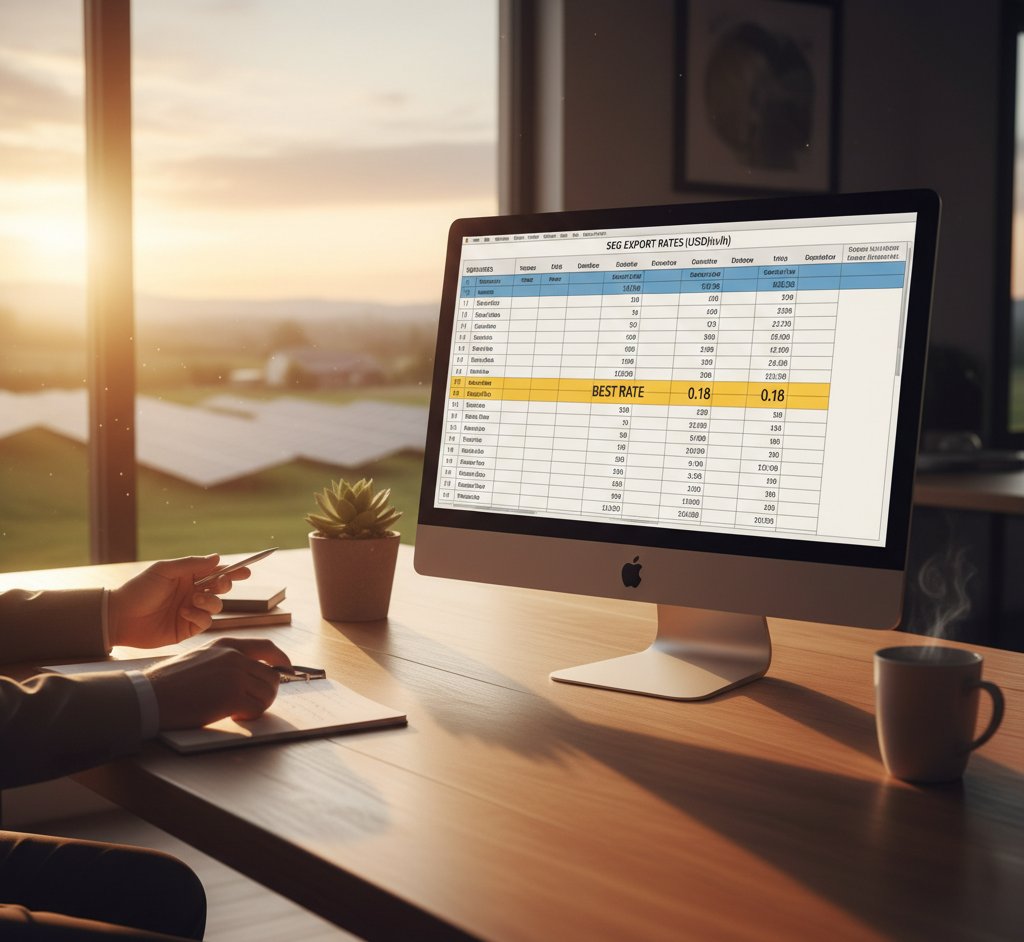
SEG Rate Comparison: Who Pays the Most for Export?
What is the Smart Export Guarantee?
The Smart Export Guarantee (SEG) requires licensed electricity suppliers with 150,000+ customers to offer a tariff that pays you for electricity you export to the grid from your solar panels. It replaced the old Feed-in Tariff (FiT) export payments in January 2020.
Key points about the SEG:
- Suppliers must offer at least one SEG tariff, but they set their own rates
- The rate must be greater than zero (there's no minimum rate beyond that)
- You need an MCS-certified installation and a smart meter or export meter
- You can choose any eligible supplier for your SEG — it doesn't have to be your import supplier
Current SEG rates (April 2026)
Rates change frequently, but here's the landscape as of April 2026:
Fixed-rate SEG tariffs
| Supplier | Tariff name | Rate (p/kWh) | Notes |
|---|---|---|---|
| Octopus Energy | Fixed SEG | 4.1p | Simple, no fuss |
| Octopus Energy | Flux (export) | 8–32p | Time-of-use: peak export earns premium |
| British Gas | SEG | 3.3p | Below average |
| EDF | SEG | 3.5p | Standard offering |
| E.ON Next | SEG | 3.5p | Standard offering |
| Scottish Power | SEG | 3.3p | Standard offering |
| OVO Energy | SEG | 4.1p | Competitive fixed rate |
| Shell Energy | SEG | 3.3p | Lower end |
| So Energy | SEG | 4.0p | Mid-range |
Variable/dynamic SEG tariffs
| Supplier | Tariff name | Typical range | Notes |
|---|---|---|---|
| Octopus Energy | Agile Outgoing | 2–32p+ | Linked to wholesale, changes every 30 mins |
| Octopus Energy | Flux (peak export) | 24–32p | 4–7pm peak period only |
| Social Energy | Smart Export | Variable | Battery-optimised export |
| Tesla Energy Plan | Integrated export | 10–15p avg | Powerwall owners only |
Rates change regularly
The rates above are indicative for April 2026. Suppliers can change SEG rates with relatively little notice. Always check current rates directly with the supplier before making decisions. The Octopus rates tend to be updated quarterly, while others may change at any time.
Understanding the different rate types
Fixed rate SEG
The simplest option. Every kWh you export earns the same rate, 24 hours a day. Easy to predict, easy to understand. But you miss out on higher value during peak hours.
Best for: Households without a battery who export most surplus during the middle of the day.
Time-of-use export (e.g., Octopus Flux)
Flux pays different export rates at different times:
- Off-peak (02:00–05:00): Low export rate (~4p)
- Day (05:00–16:00): Standard rate (~10p)
- Peak (16:00–19:00): Premium rate (~24–32p)
- Evening (19:00–02:00): Standard rate (~10p)
With a battery, you can store solar surplus during the day and export it during the peak window for maximum value. This is effectively battery arbitrage optimised for export.
Best for: Solar + battery households willing to schedule export during peak hours.
Agile Outgoing
Tracks the wholesale market in 30-minute intervals. Export rates can vary from negative (yes, you'd pay to export during surplus periods) to 30p+ during winter peak demand. Most of the time, daytime export earns 5–12p/kWh.
Best for: Engaged users with a battery and automation who can respond to price signals.
You can mix and match suppliers
A little-known fact: your SEG export supplier doesn't need to be the same as your electricity import supplier. You could import on Octopus Agile (for cheap overnight battery charging) and export through a different SEG tariff if you find a better rate elsewhere. In practice, Octopus tends to be competitive on both sides, but it's worth knowing the option exists.
How much does the SEG actually earn?
For a typical 4kW system without a battery, exporting roughly 1,500–2,200 kWh per year:
| SEG rate | Annual income |
|---|---|
| 3p/kWh | £45–£66 |
| 5p/kWh | £75–£110 |
| 8p/kWh | £120–£176 |
| 15p/kWh (peak optimised) | £225–£330 |
For context, using that same electricity yourself (self-consumption) saves ~24.5p/kWh on imports. Self-consumption is always worth more than export. The SEG is for surplus you genuinely can't use.
This is why a battery often makes more financial sense than chasing the best SEG rate. A 5kWh battery converting 1,000 kWh from export to self-consumption saves you roughly £195–£245/year, far more than any fixed SEG rate would pay for those same kWh.
How to sign up for SEG
- Ensure eligibility: MCS-certified installation, generation capacity up to 5MW, smart meter or approved export meter installed.
- Gather documents: MCS certificate, smart meter MPAN, proof of installation.
- Apply to your chosen supplier: Usually online. Some suppliers require you to be their electricity customer; others don't.
- Wait for registration: Typically 2–6 weeks for the supplier to register your meter and start payments.
- Get paid: Quarterly or monthly depending on the supplier, based on your smart meter's export readings.
The smart meter requirement
You need a SMETS2 smart meter (or approved equivalent) that can measure export. Most UK smart meters installed since 2019 are SMETS2 and can measure export. If you have an older SMETS1 meter, it may need upgrading. Your supplier can arrange this at no cost.
Without a smart meter, some suppliers offer "deemed export" — they assume you export 50% of generation. This is usually less favourable than actual metered export, especially if you have a battery and export less than 50%.

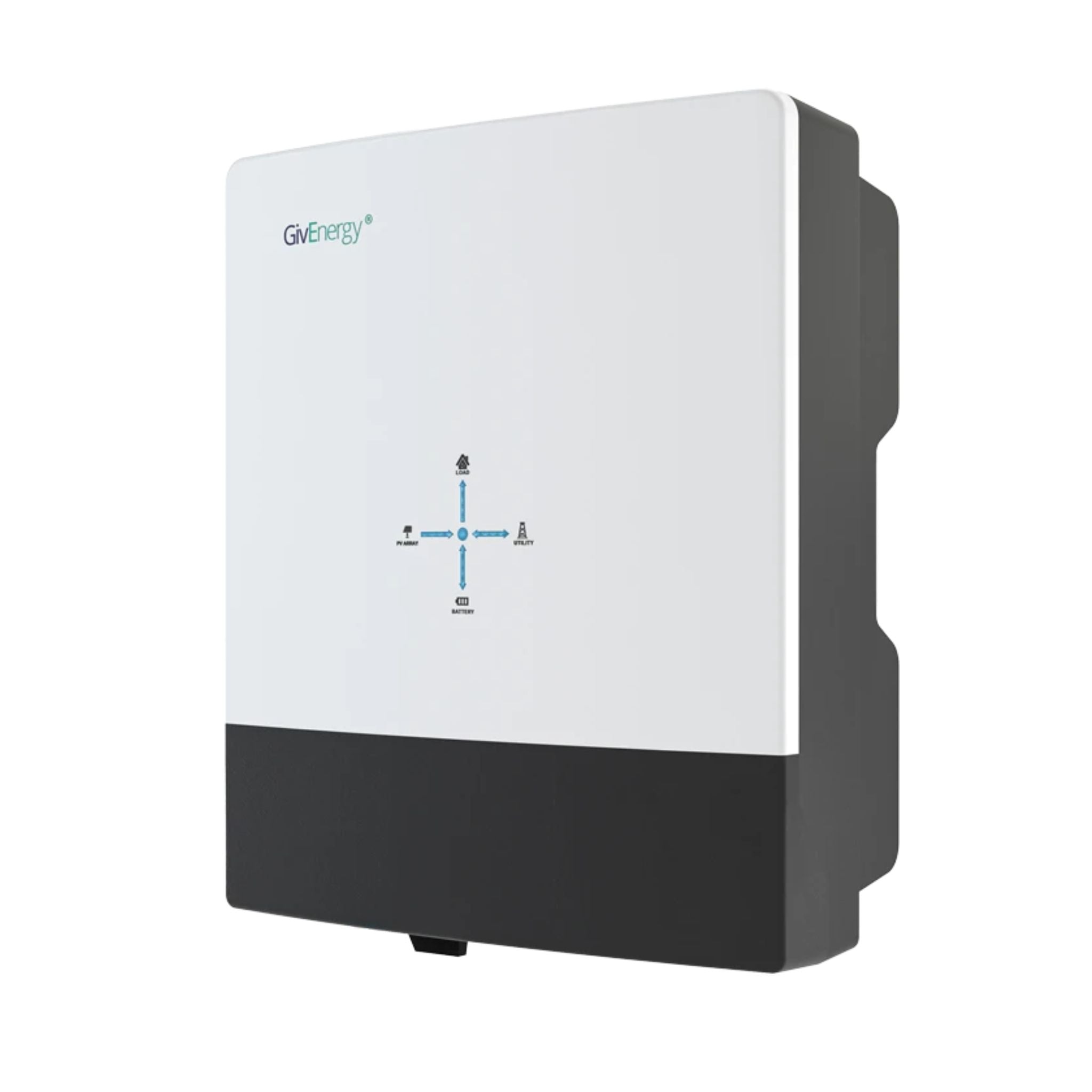
GivEnergy All-in-One 5kW Hybrid Inverter
£1,2005
7.5
2
48V
Affiliate link — we may earn a small commission at no extra cost to you
Maximising SEG income
If you're determined to maximise export income:
- Choose the best rate — Octopus Flux or Agile Outgoing with a battery outperform fixed SEG rates significantly
- Time your export — with a battery, shift export to peak hours (4–7pm) when rates are highest
- Size your system appropriately — a larger system exports more, but only if you can use the surplus or get paid well for it
- Combine with smart import tariffs — the real value is in the spread between cheap import and expensive export
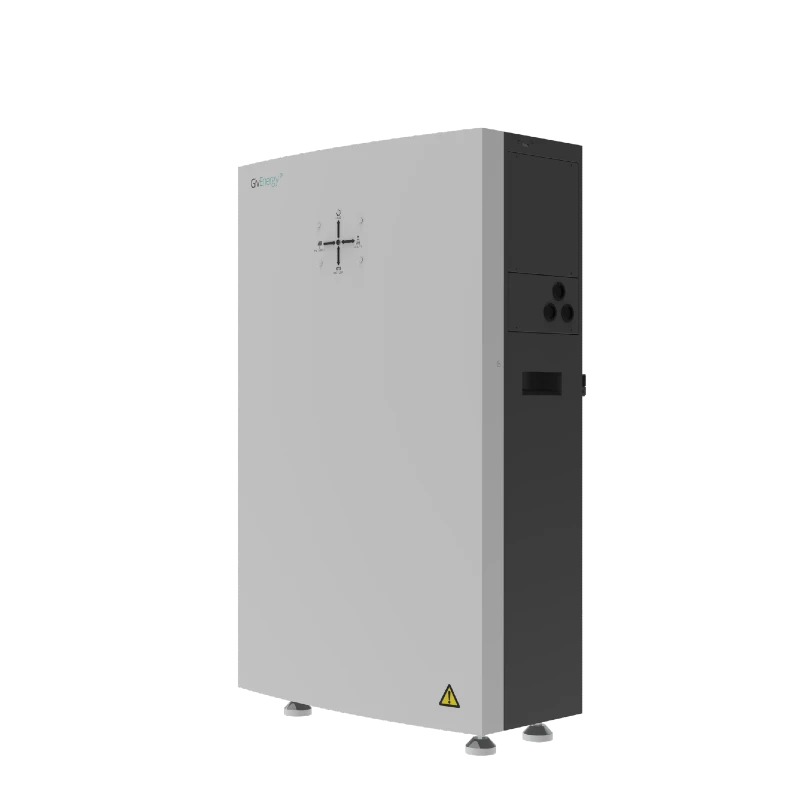
GivEnergy All-in-One 9.5kWh Battery
£5,5009.5
8.6
LFP
6000
Affiliate link — we may earn a small commission at no extra cost to you
SEG vs old Feed-in Tariff
If you're comparing the SEG to the Feed-in Tariff that closed to new applicants in March 2019:
| Feature | Feed-in Tariff | SEG |
|---|---|---|
| Generation payment | Yes (per kWh generated) | No |
| Export payment | Yes (fixed, generous) | Yes (supplier sets rate) |
| Index-linked | Yes (RPI) | No |
| Typical total rate | 15–55p/kWh combined | 3.3–15p/kWh export only (3.3–5.2p basic, up to 15p best fixed, as of April 2026) |
| Duration | 20–25 years guaranteed | No guaranteed duration |
The FiT was vastly more generous. If you're on the FiT, stay on it — switching to SEG almost never makes sense (see our FiT to SEG switching guide).
The bottom line
SEG income is nice but modest. For most UK solar households, the priority should be:
- Maximise self-consumption (worth ~24.5p/kWh)
- Use a battery to shift solar to evening use
- Then optimise export with the best available SEG rate
Chasing an extra penny or two on SEG rates matters far less than getting the fundamentals right.
Self-consumption vs export
See how adding a battery shifts your solar from export to self-use. Based on a typical 4 kW system (9 x 450W panels) generating 4,200 kWh/yr.
Self-used
1,680 kWh
Worth ~£412/yr
Exported
2,520 kWh
Earns ~£302/yr
Self-consumed electricity saves you the full import rate (24.5p/kWh). Exported electricity earns only the export rate (12p/kWh) — less than half. That is why batteries make such a difference.
Share this article

OVO has carefully selected trusted teams across the UK to install solar panels and heat pumps. Enjoy the personal touch of a local expert with the peace of mind of a household name.
Affiliate link — we may earn a small commission at no extra cost to you
Stay informed
Get free solar updates direct to your inbox
Related reading

How Much Do Solar Panels Cost in the UK in 2026?
Realistic UK solar panel costs broken down by system size, installation, and what actually affects the price you'll be quoted.
Solar Battery Storage: Complete UK Guide 2026
Everything you need to know about adding battery storage to a UK solar installation — types, sizing, costs, and which products are worth considering in 2026.
Switching from Feed-in Tariff to SEG: Should You?
Should you switch from the Feed-in Tariff to the Smart Export Guarantee? Almost certainly not. Here's why the FiT is worth keeping in nearly every case.


Switch to Octopus Energy
Get 50 credit when you switch. We get 50 too — win-win.
What does this mean for YOUR home?
Design your perfect solar setup in under 3 minutes. Free, no sign-up required.
Build Your Solar System