This page contains affiliate links. If you purchase through them we may earn a small commission at no extra cost to you. Learn more
Curtailment and Negative Pricing: When Solar Hurts
What is curtailment?
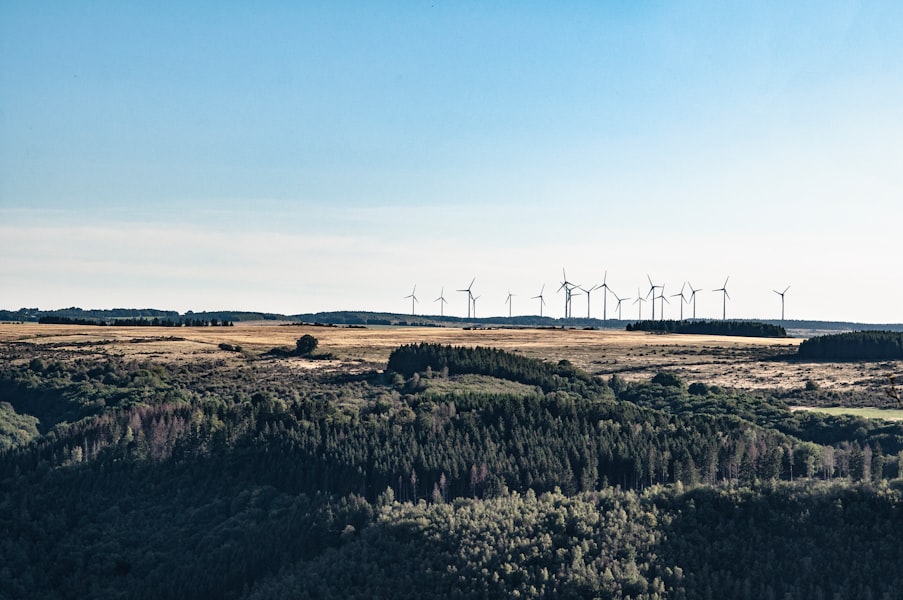
Curtailment happens when electricity generators are told to reduce their output because the grid has more supply than demand. In the UK, this predominantly affects wind farms — National Grid ESO pays wind farm operators to switch off turbines when there's too much generation and not enough demand to absorb it.
The numbers are striking. In 2025, the UK paid over £1 billion in constraint payments — essentially paying generators not to generate. On particularly windy, low-demand days (think sunny, breezy Sunday afternoons in spring), supply can exceed demand by several gigawatts.
Solar contributes to this too. As UK solar capacity grows beyond 20GW, midday generation on sunny days increasingly exceeds demand. The famous "duck curve" — demand dipping during midday solar hours and spiking in the evening — is now visible on UK generation charts, not just in California.
What is negative pricing?
When supply exceeds demand and curtailment alone isn't enough, wholesale electricity prices can go negative. This means generators are effectively paying the grid to take their electricity.
Negative pricing events in the UK have increased dramatically:
- 2022: ~10 hours of negative pricing
- 2023: ~50 hours
- 2024: ~120 hours
- 2025: ~200+ hours
These events typically occur during:
- Sunny midday periods in spring/summer (high solar, low demand)
- Very windy nights (high wind, minimal demand)
- Bank holidays and weekends (low industrial demand)
What this means for home solar owners
If you're on a fixed SEG rate
Negative wholesale prices don't directly affect you. Your supplier pays you a fixed rate (around 12p/kWh on competitive tariffs as of early 2026) for every exported kWh regardless of what's happening in the wholesale market. The supplier absorbs the loss during negative pricing periods.
However, if negative pricing becomes very frequent, suppliers may reduce their fixed SEG rates over time to compensate. This hasn't happened dramatically yet, but it's a long-term risk.
If you're on Octopus Agile Outgoing
This is where negative pricing directly affects you. Agile Outgoing export rates track the wholesale market. When wholesale prices go negative, your export rate can drop to zero or even go negative — meaning you'd be charged for exporting.
In practice, most Agile Outgoing tariffs cap the negative at zero (you don't pay to export), but you earn nothing for export during these periods. On a sunny day with negative pricing, your solar surplus is literally worthless on the wholesale market.
If you have a battery
Negative pricing is actually an opportunity. During negative price periods on Agile import, electricity is incredibly cheap (sometimes literally free or negative — you're paid to consume). This is the time to:
- Charge your battery to 100%
- Boost your hot water immersion
- Charge your EV
- Run any high-consumption appliances
Then discharge the battery during the evening peak when prices spike back to 24–35p/kWh. The spread can be enormous.
Automation is key during volatile pricing
Manual response to 30-minute Agile pricing changes is impractical. Tools like Predbat (Home Assistant) or GivEnergy's built-in scheduling can automatically respond to price signals — charging during plunge events and discharging during peaks. Without automation, you'll miss most of the value from volatile pricing.
Why curtailment is happening more
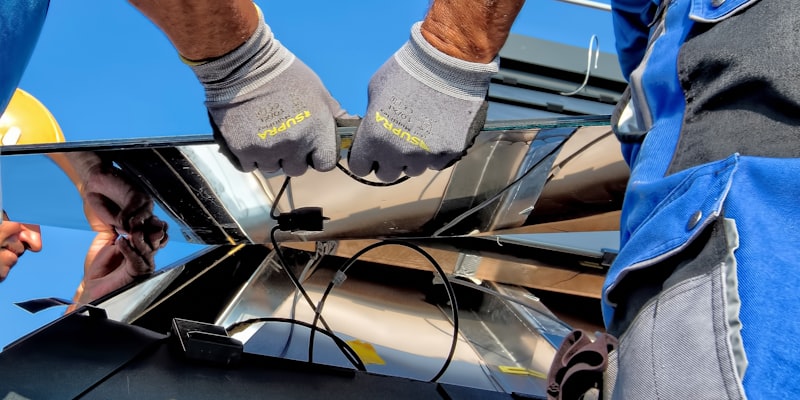
The UK's electricity grid was designed for predictable, controllable fossil fuel generation flowing in one direction: from large power stations to consumers. Renewable generation breaks every assumption:
- Intermittent and weather-dependent — output can't be dialled up or down to match demand
- Distributed — millions of small generators (rooftop solar) that can't be individually curtailed
- Location-constrained — wind farms are in Scotland and offshore, but demand is in England. Grid connections between Scotland and England are often at capacity, forcing curtailment of Scottish wind even when English demand exists.
- No significant storage — until grid-scale battery storage catches up, excess generation has nowhere to go
The core problem is that renewable capacity is growing faster than the grid's ability to absorb, store, and distribute it. This is a good problem to have (it means decarbonisation is progressing) but it needs solving.
Grid-level solutions in development
More interconnectors
Undersea cables connecting the UK to neighbouring countries allow excess generation to be exported rather than curtailed. Current interconnectors to France, Belgium, Netherlands, Norway, and Ireland help, and more are planned. But they can't solve the problem alone.
Grid-scale battery storage
The UK is rapidly building large battery storage facilities. Grid-scale batteries can absorb midday solar/wind surplus and discharge during evening peaks — exactly what home batteries do, but at a much larger scale. The UK had over 4GW of operational grid-scale battery storage by end of 2025, with more under construction.
Demand flexibility
National Grid's Demand Flexibility Service (DFS) and commercial demand response programmes pay large consumers to shift demand to times of surplus generation. This includes programmes aimed at home battery owners (see our virtual power plants guide).
Grid reinforcement
Upgrading the transmission lines between Scotland and England would reduce the need to curtail Scottish wind. Several major upgrade projects are underway but won't complete until the late 2020s.
Curtailment costs are rising
The £1 billion+ spent on constraint payments in 2025 is ultimately paid by consumers through bills. As curtailment increases, this adds to electricity costs for everyone. This is one reason why battery storage — both home and grid-scale — is increasingly important: it reduces the need for curtailment by absorbing surplus generation.
What home solar owners should do
Short term
- Get a battery — a battery lets you absorb your own surplus instead of exporting during low-value periods
- Consider Agile import — benefit from cheap/negative pricing events for battery charging
- Avoid Agile export unless automated — without automation, you risk exporting during negative price periods for nothing
Medium term
- Join a VPP — your battery can earn money by participating in grid balancing services that help manage curtailment
- Maximise self-consumption — the more solar you use directly, the less you care about export rates
- Install a diverter — hot water is another way to absorb surplus during low-value export periods
Long term
The economics of solar export will continue to evolve. As more storage comes online and the grid adapts, curtailment should eventually stabilise. But the transition period (the next 5–10 years) will see increasing volatility in export values.
The strategic response is the same as it's always been for home solar: prioritise self-consumption. Using your own solar electricity avoids ~24.5p/kWh in import costs, regardless of what happens to export rates. A battery, diverter, and smart consumption patterns make your solar system resilient to whatever the export market does.
The silver lining
Curtailment and negative pricing are symptoms of the UK having too much clean electricity at certain times. That's a good problem. It means the energy transition is working — we're generating huge amounts of renewable power.
The challenge now is storage, flexibility, and grid infrastructure to match supply with demand. Home batteries are part of that solution, and as a battery owner, you're positioned to benefit from the volatility rather than be harmed by it.
A battery turns negative pricing from a threat into an opportunity. Here's what we'd recommend for absorbing surplus during low-value periods:
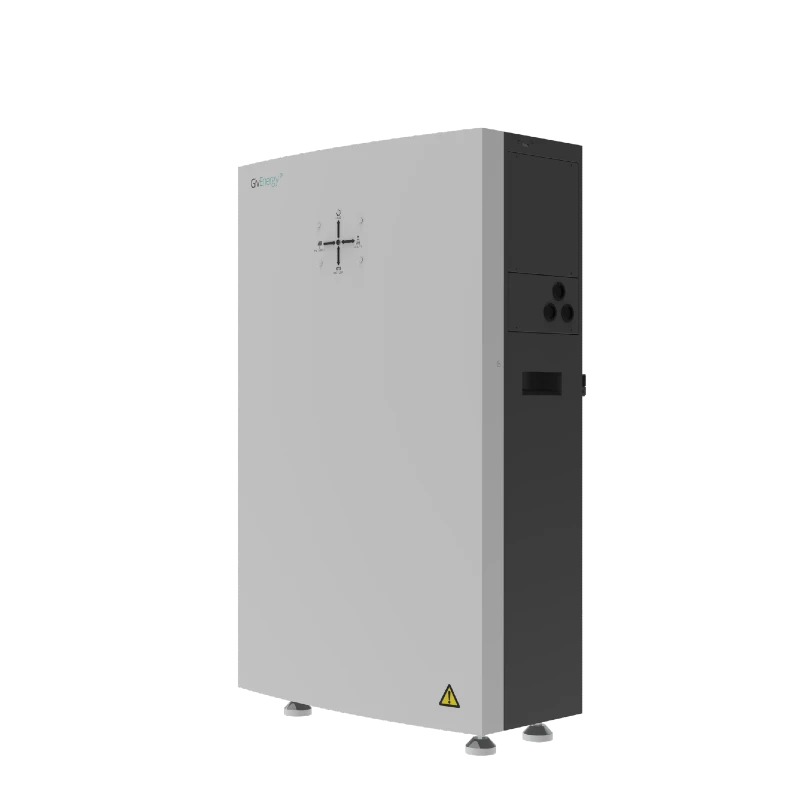
GivEnergy All-in-One 9.5kWh Battery
£5,5009.5
8.6
LFP
6000
Affiliate link — we may earn a small commission at no extra cost to you
For an even larger capacity to maximise the benefit of free or negative-priced electricity:
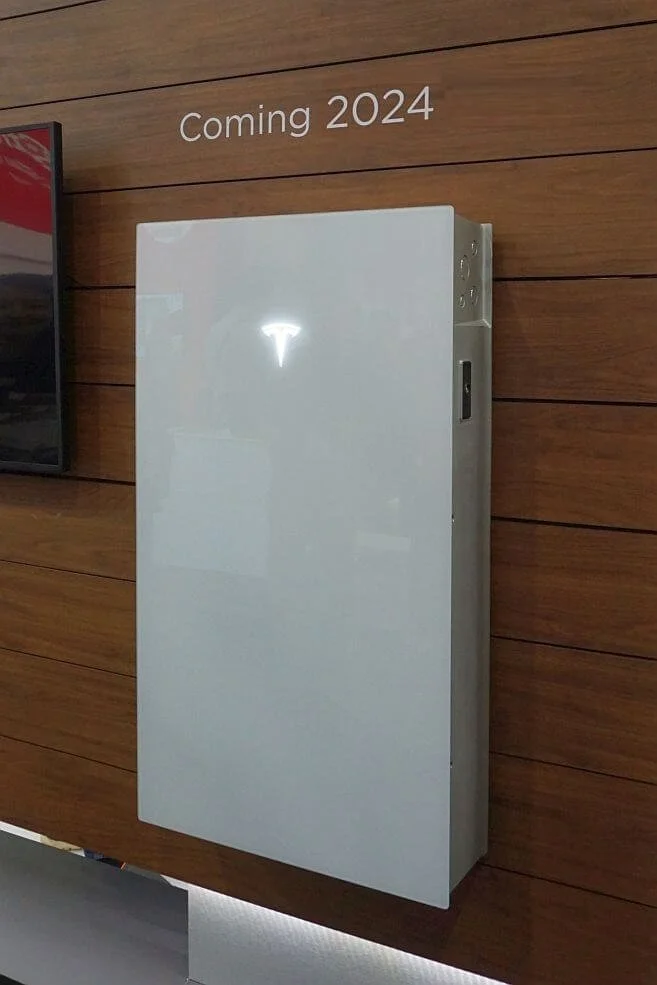
Tesla Powerwall 3
£8,50013.5
13.5
LFP
4000
Affiliate link — we may earn a small commission at no extra cost to you
Share this article

OVO has carefully selected trusted teams across the UK to install solar panels and heat pumps. Enjoy the personal touch of a local expert with the peace of mind of a household name.
Affiliate link — we may earn a small commission at no extra cost to you
Stay informed
Get free solar updates direct to your inbox
Related reading
SEG Rate Comparison: Who Pays the Most for Export?
Compare Smart Export Guarantee (SEG) rates from UK energy suppliers in 2026. Find who pays the best rate for your exported solar electricity.
Battery Arbitrage: Buy Low, Sell High with Solar
How battery arbitrage works with time-of-use tariffs in the UK. Charge cheap, discharge expensive, and boost your solar savings with smart battery trading.

Virtual Power Plants: Your Battery in the Grid
How virtual power plants (VPPs) work in the UK, which battery brands participate, and how much you can earn by letting the grid use your home battery.


Switch to Octopus Energy
Get 50 credit when you switch. We get 50 too — win-win.
What does this mean for YOUR home?
Design your perfect solar setup in under 3 minutes. Free, no sign-up required.
Build Your Solar System