This page contains affiliate links. If you purchase through them we may earn a small commission at no extra cost to you. Learn more
DIY Battery Insurance: Will Your Home Insurance Cover It?
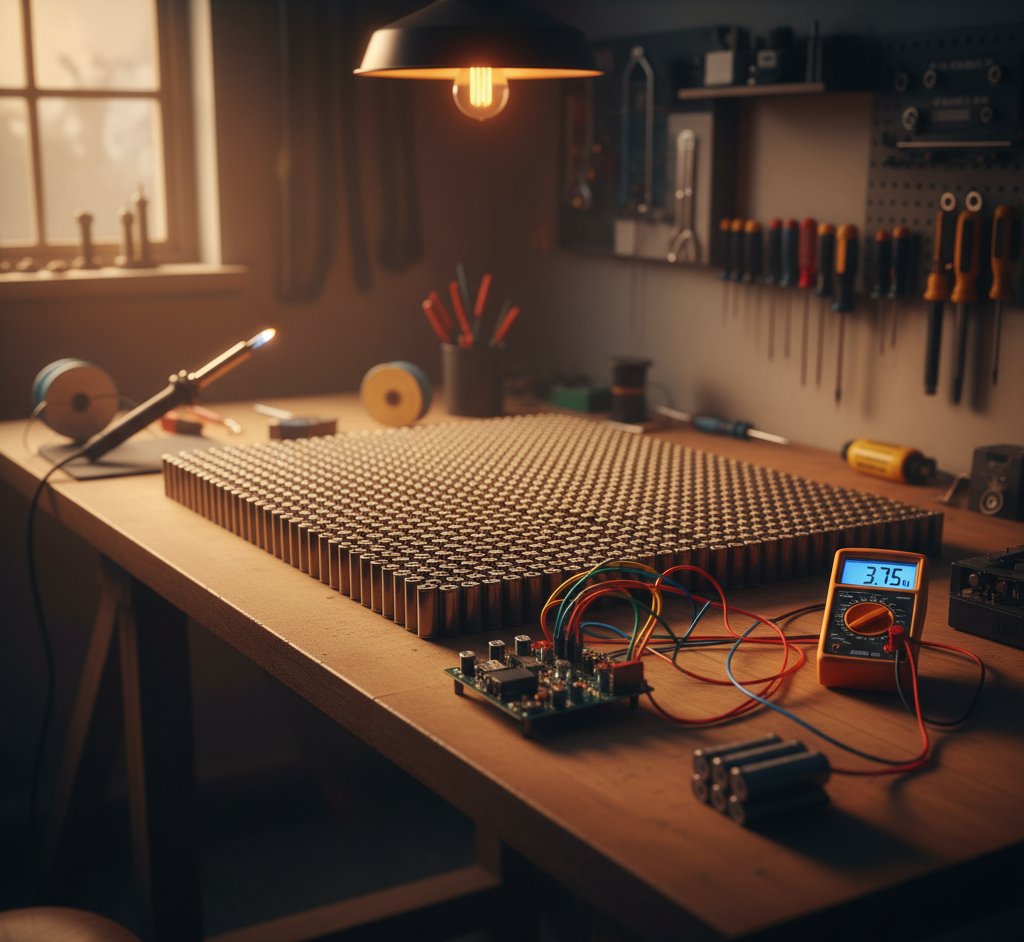
The insurance question everyone avoids
Every DIY solar battery guide focuses on cells, BMS boards, and inverter configuration. Almost none discuss insurance — which is bizarre, because a house fire traced to an uninsured DIY electrical installation could be financially devastating.
This guide covers what we know about UK home insurance and DIY battery storage as of early 2026. Insurance is a complex, policy-specific area — this is general guidance, not legal advice. Check your specific policy and talk to your insurer.
Do I need to tell my insurer?
Yes. Absolutely. Without question.
Most UK home insurance policies include a general condition requiring you to disclose any "material change" to your property. Installing a battery storage system — particularly a DIY one — is a material change. It affects the fire risk profile of your home, which is exactly what insurers care about.
What counts as a material change:
- Installing any fixed electrical equipment
- Storing lithium batteries above a certain capacity (varies by insurer — some say any capacity, others set thresholds like 2kWh or 5kWh)
- Making changes to your electrical installation
What happens if you don't disclose:
- If you make a claim unrelated to the battery (e.g., a burglary), the insurer discovers the undisclosed battery installation, and they may argue the policy is void due to non-disclosure.
- If a battery fire damages your home, the insurer will almost certainly investigate the battery installation. An undisclosed DIY installation gives them strong grounds to reject the claim entirely.
- You could be left covering hundreds of thousands of pounds in rebuilding costs personally.
Non-disclosure can void your ENTIRE policy
This is the critical point. It's not just battery-related claims at risk. UK insurance law (Consumer Insurance (Disclosure and Representations) Act 2012) allows insurers to treat a policy as if it never existed if there was a deliberate or careless failure to disclose a material fact. A DIY battery installation that you chose not to mention falls squarely into this territory.
How do insurers view DIY batteries?
Insurance companies are still developing their approach to home energy storage. The market is evolving rapidly, but here's the current landscape:
MCS-certified installations
If your battery system was installed by an MCS-certified installer, most mainstream insurers accept it without difficulty. The MCS certification provides:
- Evidence of competent installation
- Compliance with relevant standards (BS 7671, G98/G99)
- A named, insured installer who can be held liable
- A paper trail that satisfies the insurer's risk assessment
Most insurers treat MCS-certified battery storage the same as any other professional electrical installation — disclose it, and your premium may not change at all.
DIY installations
This is where it gets complicated. A DIY battery installation means:
- No MCS certification
- No professional installer's liability insurance
- The homeowner is responsible for compliance
- The insurer has to trust that you knew what you were doing
The response varies by insurer:
Category 1 — Accepted with conditions (growing number): Some insurers will cover DIY battery storage if you can demonstrate:
- The electrical connection was made by a qualified electrician (Part P scheme member)
- The installation complies with BS 7671
- You have documentation (wiring diagrams, BMS settings, electrician's sign-off)
- The installation uses commercial battery products (not literally DIY-assembled cells from eBay)
Category 2 — Exclusion or loading: Some insurers add a specific exclusion for the battery system itself (they won't cover the battery but will still cover the house) or apply a premium loading (higher premium).
Category 3 — Decline to cover: A small number of insurers may decline to renew your policy if you disclose a DIY battery installation. This is becoming less common as battery storage normalises, but it happens.
What documentation helps?
If you're going the DIY route, building a documentation package significantly strengthens your insurance position:
Essential documentation
-
Electrician's sign-off — a Minor Electrical Installation Works Certificate (MEIWC) or Electrical Installation Certificate (EIC) from a registered Part P electrician who inspected and connected your system.
-
Product datasheets — for the battery modules, BMS, and inverter. These show you're using commercial, certified products rather than scavenged components.
-
Wiring diagram — a clear diagram showing battery layout, cable sizes, fuse ratings, and isolator positions.
-
Photographs — of the completed installation showing cable routing, fuse placement, enclosure, and labelling.
-
DNO notification — evidence that your Distribution Network Operator has been notified of the installation (G98/G99 application).
Helpful extras

- Part P Building Control notification — if your electrician is Part P registered, they'll notify Building Control automatically. The completion certificate is valuable evidence.
- BMS configuration record — showing protection parameters are correctly set.
- Risk assessment — a brief document covering fire detection, ventilation, enclosure fire rating, and emergency procedures.
- Battery specification sheet — chemistry type (LFP), capacity, voltage, cycle rating.
The electrician's sign-off is the single most valuable document
Even if you assemble the battery and inverter yourself, having a Part P-registered electrician inspect and connect the system — and issue a certificate — transforms your insurance position from "unknown DIY job" to "professionally inspected and certified installation." The electrician's fee (£200–£400) is trivial insurance against an insurance dispute.
Which insurers are battery-friendly?
The market is evolving, but as of early 2026:
Generally accepting of home battery storage:
- Aviva — established process for declaring solar and battery installations
- Direct Line — covers battery storage as part of home contents/buildings
- LV= — will cover with disclosure, may ask questions about the installer
- Hiscox — high-value home insurer, generally receptive to energy tech
Specialist / innovative insurers:
- Locket — specifically markets to eco-home owners
- By Miles — pay-per-mile car insurance company that's expanding into home insurance with progressive risk assessment
- Urban Jungle — digital-first insurer that's explicit about renewable energy coverage
Worth calling to check:
- If you're with a smaller or specialist insurer, call and ask directly. A 10-minute phone call is worth more than hours of googling.
What if your insurer says no?
If your current insurer declines to cover a DIY battery installation:
- Don't panic — there are other insurers. The market is competitive.
- Use a broker — insurance brokers (especially those specialising in non-standard properties) can find cover where direct searches fail. A broker who handles self-build or renovation properties is a good starting point.
- Consider removing the exclusion trigger — sometimes the issue is specifically "DIY" rather than "battery." Getting the electrician's sign-off may resolve the concern.
- Document everything — the better your documentation, the easier the conversation with any insurer.
Liability and third-party claims
If your DIY battery causes damage to a neighbouring property (e.g., a fire that spreads), your home insurance liability section should cover third-party claims — but only if the installation is properly disclosed and the policy is valid.
An undisclosed installation that causes third-party damage could leave you personally liable for your neighbour's losses. This is a worst-case scenario but worth understanding.
Practical advice
- Disclose the installation to your insurer — before you install it if possible, or immediately after.
- Get the grid connection done by a Part P electrician — this is your strongest documentation.
- Keep all documentation — datasheet, photos, certificates, wiring diagrams.
- Review your policy annually — check that the battery is still covered, especially if you change insurer or expand the system.
- Consider the cost of proper installation — if paying an electrician £300 and potentially a small premium increase removes all insurance uncertainty, that's money well spent.
The DIY battery community sometimes treats insurance as an afterthought. Don't make that mistake. A £3,000 battery system is not worth risking a £300,000+ house.
If insurance complexity is a concern, a professional install system with full warranty is the safest route. This is the most popular professionally-installed option:
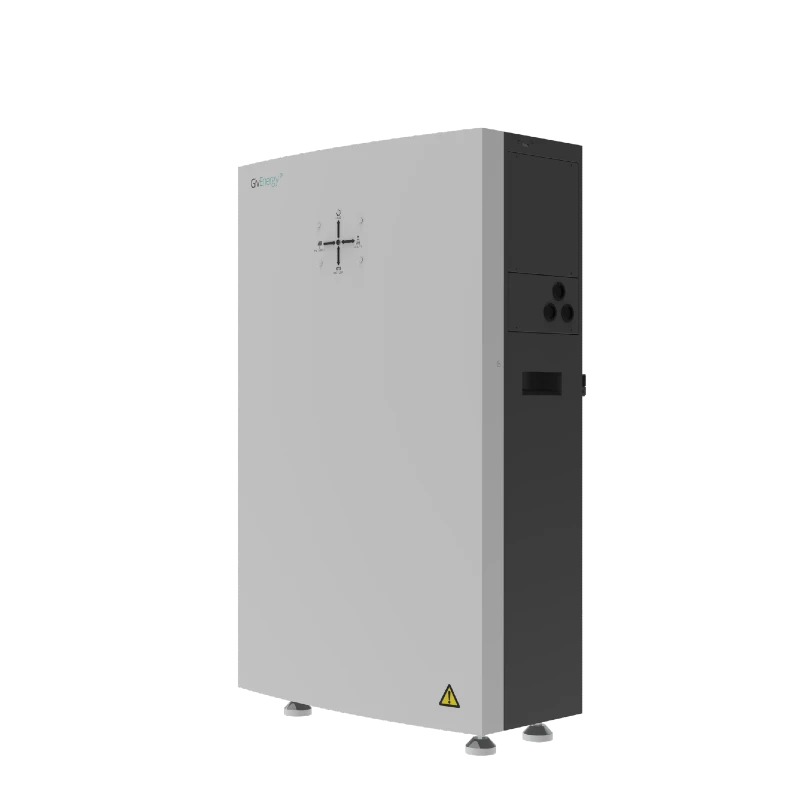
GivEnergy All-in-One 9.5kWh Battery
£5,5009.5
8.6
LFP
6000
Affiliate link — we may earn a small commission at no extra cost to you
For the premium fully-insurable option with the strongest brand recognition:
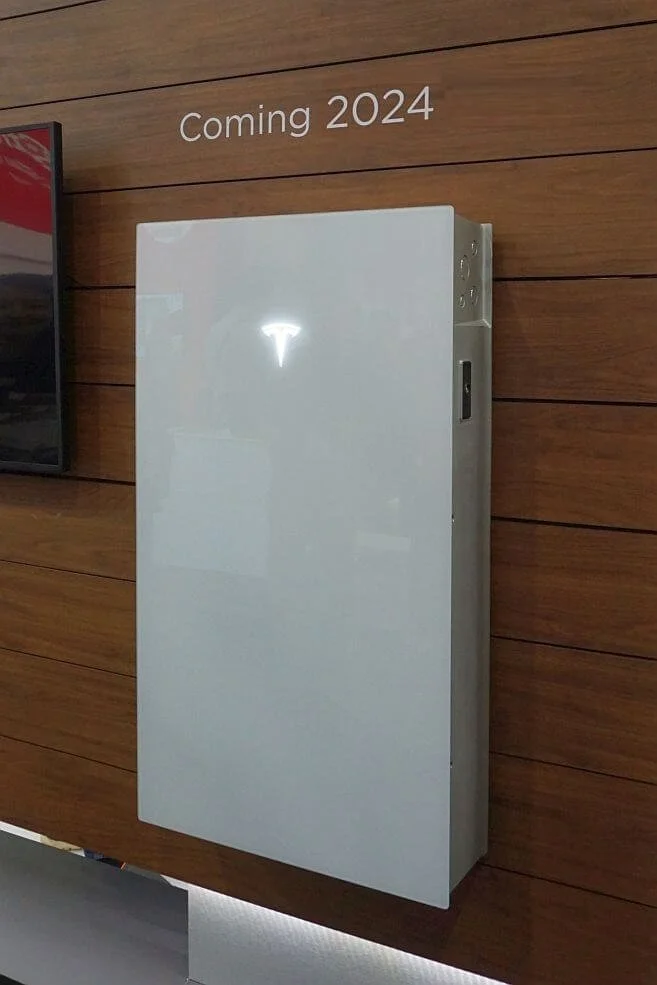
Tesla Powerwall 3
£8,50013.5
13.5
LFP
4000
Affiliate link — we may earn a small commission at no extra cost to you
Share this article

OVO has carefully selected trusted teams across the UK to install solar panels and heat pumps. Enjoy the personal touch of a local expert with the peace of mind of a household name.
Affiliate link — we may earn a small commission at no extra cost to you
Stay informed
Get free solar updates direct to your inbox
Related reading
DIY Battery Storage in the UK: Complete Beginner's Guide
A practical guide to building your own DIY solar battery storage system in the UK — costs, legality, components, and whether it's actually worth it in 2026.

Battery Thermal Safety: Preventing Fires in DIY Solar Storage
Thermal safety for DIY LiFePO4 solar batteries in the UK — fire risks, prevention measures, ventilation, and what to do if something goes wrong.
DIY Battery Enclosures: Housing Your Solar Battery Safely
How to build or choose a battery enclosure for DIY LiFePO4 solar storage in the UK — ventilation, fire ratings, materials, and placement guidance.


Switch to Octopus Energy
Get 50 credit when you switch. We get 50 too — win-win.
What does this mean for YOUR home?
Design your perfect solar setup in under 3 minutes. Free, no sign-up required.
Build Your Solar System