This page contains affiliate links. If you purchase through them we may earn a small commission at no extra cost to you. Learn more
Dynamic Energy Pricing: The Future of Electricity Bills

Why electricity pricing is changing
For decades, UK electricity pricing was simple: you paid a flat rate per kWh, 24 hours a day, 365 days a year. Some customers had Economy 7 with a cheap overnight rate, but broadly, pricing was static.
This model worked when electricity was generated by predictable, controllable fossil fuel plants. They could ramp up and down to match demand, and the cost of generation was relatively stable.
Renewable energy changes everything. Solar and wind generation is determined by weather, not demand. On a sunny, windy day the grid has abundant cheap electricity. On a calm, cloudy winter evening, supply is tight and expensive. The wholesale cost of electricity now varies dramatically — from negative prices during surplus to £1+/kWh during scarcity events.
Dynamic pricing passes these wholesale price variations directly to consumers, creating both risks and opportunities.
Types of variable pricing
Half-hourly dynamic (e.g., Octopus Agile)
Prices change every 30 minutes, set a day ahead based on wholesale market rates. You see tomorrow's prices by 4pm today and can plan accordingly.
Typical price range: 5–12p/kWh overnight, 15–25p/kWh daytime, 25–45p/kWh peak (4–7pm). Occasionally negative during surplus or 80–100p+ during extreme demand.
Best for: Engaged users with batteries and automation who can shift consumption to cheap periods.
Time-of-use (e.g., Octopus Go, Economy 7)
Two or three fixed rate bands at different times of day. Simpler and more predictable than dynamic pricing but less potential for savings.
Octopus Go: ~5.5p/kWh for 4 hours overnight, ~24p/kWh the rest. Designed for EV owners. Intelligent Octopus Go: Similar but with flexible smart charging windows. Octopus Cosy: Cheap afternoon and overnight periods, designed for heat pump owners.
Day-ahead variable (emerging)
Some tariffs are beginning to offer day-ahead pricing where rates are set daily (rather than half-hourly) based on forecast wholesale costs. Simpler to follow than Agile but still responsive to market conditions.
Export tariffs with dynamic pricing
Octopus Agile Outgoing and Flux both offer variable export rates. During peak demand, your exported electricity earns significantly more than the flat SEG rate.
How solar + battery owners benefit
Dynamic pricing disproportionately rewards households that can shift when they consume and export electricity. Solar panels and a battery give you precisely this flexibility.
The daily arbitrage cycle
On Octopus Agile with solar + battery:
Night (00:00–05:00): Cheap rates (5–10p/kWh). Battery charges from the grid. Morning (05:00–10:00): Moderate rates. Battery powers the house. Midday (10:00–15:00): Solar generating strongly. Excess charges the battery (free). Any remaining surplus exports (earning the Agile outgoing rate, often 8–15p/kWh midday). Peak (16:00–19:00): Expensive rates (30–50p/kWh). Battery powers the house, avoiding all grid imports. If battery has excess, export earns peak rates. Evening (19:00–00:00): Moderate rates. Battery continues powering the house if charge remains.
Result: You import almost exclusively at cheap rates and avoid expensive peaks entirely. Annual electricity costs can drop by 50–70% compared to a flat tariff.
The key insight: you're buying time, not just energy
A battery doesn't create electricity — it shifts it in time. Dynamic pricing makes that time-shifting valuable. Without a battery, you consume at whatever price the grid offers when you need it. With a battery, you choose when to buy and when to self-supply. That choice is worth hundreds of pounds per year on a volatile tariff.
Automation: the practical requirement
Dynamic pricing sounds great in theory, but manually checking prices and adjusting your behaviour every 30 minutes isn't realistic. Automation is essential.
Inverter-level scheduling
Most hybrid inverters (GivEnergy, Sunsynk, Solis, Fox ESS) support time-based charge/discharge scheduling through their apps. You can set:
- Charge from grid window: 00:30–04:30
- Force discharge / export window: 16:00–19:00
- Battery reserve minimum: 10–20%
This works well for Go-style tariffs with fixed windows but doesn't adapt to Agile's daily-changing prices.
Predbat and similar tools
Predbat is a Home Assistant add-on that reads Agile prices, your solar forecast, and your consumption history, then automatically sets optimal charge/discharge windows on your inverter for each day. It's the gold standard for Agile optimisation.
Other options include Batpred, Solar Assistant, and various GivEnergy community tools.
Setting up Predbat requires Home Assistant (a home automation platform), some technical comfort, and a compatible inverter. It's not plug-and-play, but the community support is excellent and the financial benefit is significant — typically adding £100–£200/year over manual scheduling.
Manufacturer-provided optimisation

Tesla's Energy Plan automates optimisation for Powerwall owners without requiring Home Assistant. GivEnergy's cloud platform is gradually adding more intelligent scheduling. Over time, expect all major manufacturers to offer some form of price-responsive automation built into their platforms.
Agile price spikes are real
While Agile is great for battery owners, it carries risk for households without flexible demand. On a winter evening with low wind and high demand, Agile prices can spike to 60–100p/kWh. If your battery is empty and you need to import at these rates, you pay full price. Always maintain a battery reserve, and consider whether your household can tolerate occasional price spikes before switching to Agile.
The numbers: flat rate vs dynamic pricing
For a household using 3,500 kWh/year with a 4kW solar system and 5kWh battery:
| Scenario | Annual cost estimate |
|---|---|
| Flat rate tariff (24.5p/kWh), no solar | £858 |
| Flat rate + solar (self-consumption) | £470 |
| Flat rate + solar + battery | £285 |
| Octopus Go + solar + battery | £140 |
| Octopus Agile + solar + battery + automation | £60–£130 |
The progression is clear: each step reduces costs, and dynamic pricing with automation delivers the lowest bills. The difference between a flat rate and optimised Agile can be £400–£600/year.
Is dynamic pricing right for you?
Ideal candidates:
- Solar + battery households with a compatible hybrid inverter
- EV owners who can charge overnight
- Technically comfortable users (or willing to learn) for Agile automation
- Households able to shift some demand (dishwasher, washing machine, dryer) to cheap periods
Proceed with caution:
- Households without a battery or solar (Agile peaks can increase bills)
- People unable or unwilling to shift any consumption patterns
- Anyone uncomfortable with variable, unpredictable bills
Not recommended:
- Households on prepayment meters (dynamic tariffs usually unavailable)
- People who need completely predictable monthly costs for budgeting
Where pricing is heading
The trend is clear: as renewable generation grows and the grid becomes more variable, static flat-rate pricing becomes increasingly inefficient. The UK energy market is gradually shifting towards:
- More time-of-use tariffs from all suppliers (not just Octopus)
- Smart meter-enabled half-hourly settlement becoming universal
- Smart appliances responding automatically to price signals
- Vehicle-to-grid (V2G) and vehicle-to-home (V2H) adding EV batteries to the flexibility mix
Solar + battery households are already positioned to benefit from this transition. The early adopters of dynamic pricing and automation are proving the model that will eventually become mainstream.
To exploit dynamic pricing, you need a battery with smart scheduling. This is the model most UK installers are fitting:
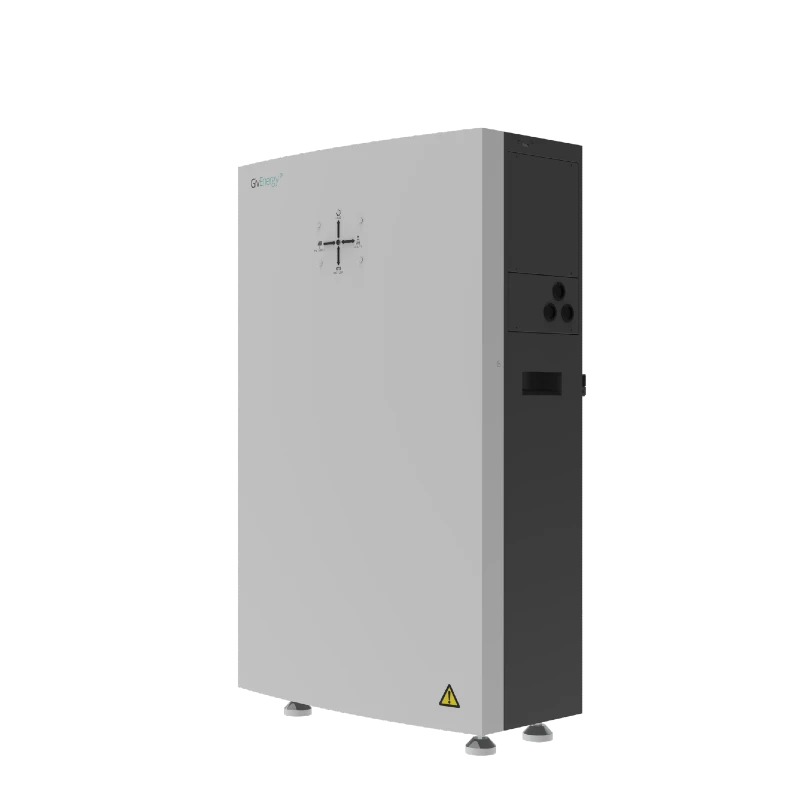
GivEnergy All-in-One 9.5kWh Battery
£5,5009.5
8.6
LFP
6000
Affiliate link — we may earn a small commission at no extra cost to you
For the best automation and app experience with dynamic tariffs:
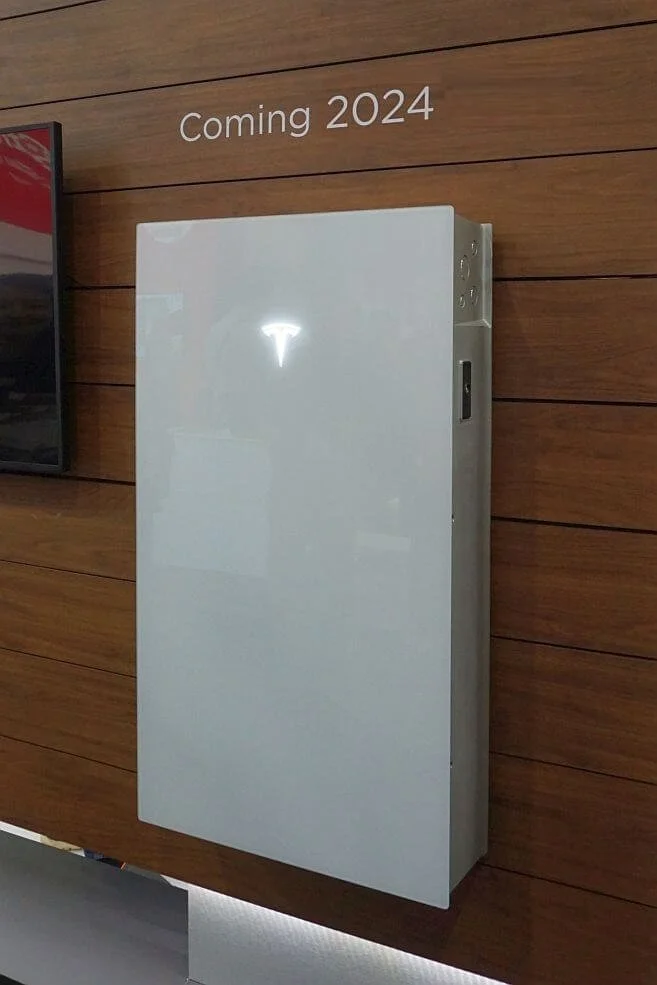
Tesla Powerwall 3
£8,50013.5
13.5
LFP
4000
Affiliate link — we may earn a small commission at no extra cost to you
Share this article

Leading UK provider of electric car charging cables and EV accessories. Cables for all UK and EU models, with fast delivery and expert support.
Affiliate link — we may earn a small commission at no extra cost to you
Stay informed
Get free solar updates direct to your inbox
Related reading

Battery Arbitrage: Buy Low, Sell High with Solar
How battery arbitrage works with time-of-use tariffs in the UK. Charge cheap, discharge expensive, and boost your solar savings with smart battery trading.

Virtual Power Plants: Your Battery in the Grid
How virtual power plants (VPPs) work in the UK, which battery brands participate, and how much you can earn by letting the grid use your home battery.
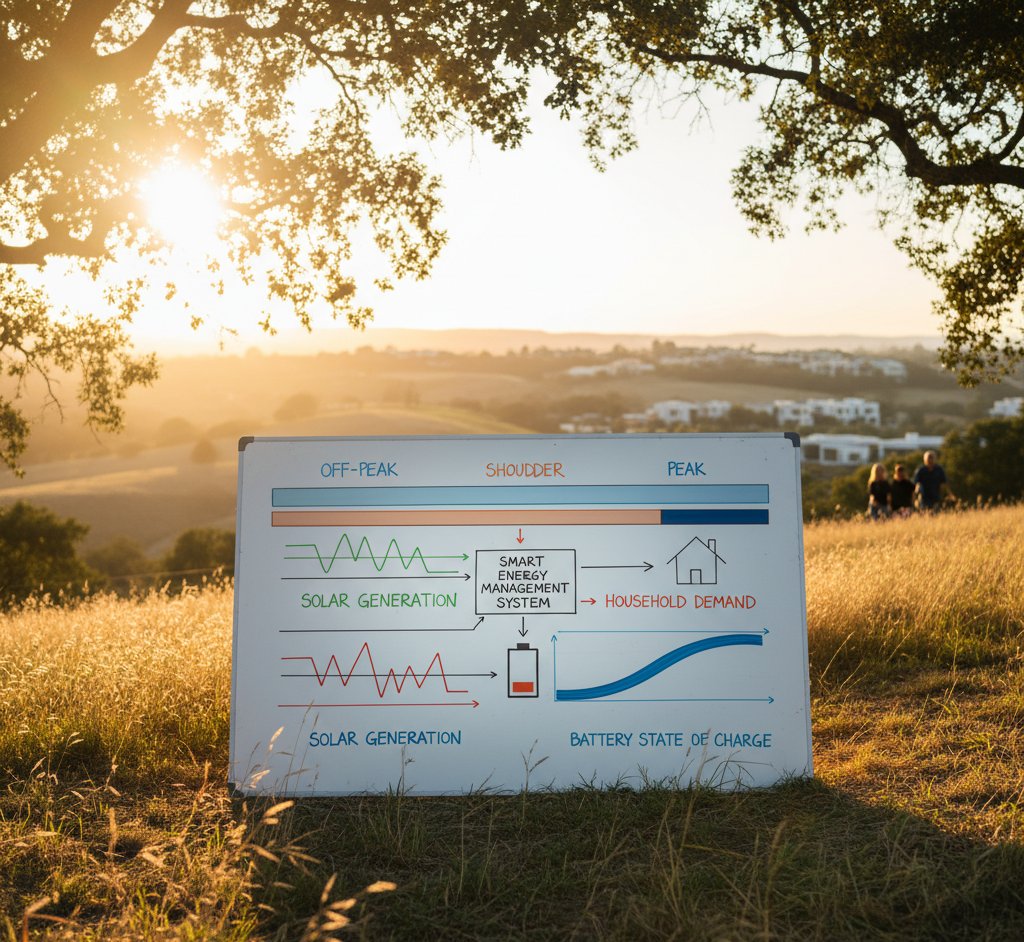
Tariff Stacking: Combining Solar, Battery, and Smart Tariffs
How to stack solar self-consumption, battery arbitrage, export tariffs, and smart import tariffs for maximum savings. A UK guide to tariff optimisation.


Switch to Octopus Energy
Get 50 credit when you switch. We get 50 too — win-win.
What does this mean for YOUR home?
Design your perfect solar setup in under 3 minutes. Free, no sign-up required.
Build Your Solar System