This page contains affiliate links. If you purchase through them we may earn a small commission at no extra cost to you. Learn more
Peer-to-Peer Energy Trading: Selling Solar to Your Neighbours

The concept
Imagine this: your solar panels produce 3kW more than you need at midday. Instead of exporting to the grid at 12p/kWh via the SEG, you sell that surplus directly to your neighbour at 18p/kWh. They pay less than the retail grid rate (~24.5p/kWh), you earn more than the SEG rate. Both households benefit.
That's peer-to-peer energy trading in its simplest form. It's an appealing vision — local energy production traded locally, cutting out the middleman supplier and keeping money in the community.
The technology to enable this exists. The regulatory framework, however, is the bottleneck.
How P2P trading works technically
The physical reality
Electricity is fungible — once it's on the grid, your solar-generated kWh is indistinguishable from a nuclear or gas-generated kWh. Physically, your surplus flows into the local grid and your neighbour draws from the local grid. The electrons don't literally travel from your roof to their kettle.
P2P trading is therefore a financial and accounting arrangement, not a physical one. A platform matches your export with their import, and the financial settlement reflects the agreed price. The physical electricity still flows through the grid as normal.
The platform
A P2P trading platform needs to:
- Measure generation and consumption in real time via smart meters
- Match buyers and sellers based on timing, quantity, and price preferences
- Handle financial settlement — billing, payments, reconciliation
- Interface with the grid operator for balancing and network charges
- Ensure regulatory compliance — energy supply licences, consumer protection
Several platforms have been developed using blockchain technology for transparent, tamper-proof transaction records. Others use conventional database systems with similar functionality.
UK pilots and projects
Energy Local
One of the most established UK P2P energy projects. Energy Local creates local energy clubs where community renewable generators (often hydro or wind) sell to local consumers via a matching platform. Members get cheaper electricity during periods when the local generator is producing.
Operating in several Welsh communities, Energy Local demonstrates that local energy trading can work technically and financially within existing regulations — though it requires special arrangements with a licensed energy supplier.
Centrica Local Energy Market (Cornwall)
A trial run by Centrica in Cornwall tested P2P trading among hundreds of households with solar panels, batteries, and EVs. Participants could trade surplus energy locally via an app. The trial demonstrated the technical feasibility but highlighted the complexity of operating within UK energy market regulations.
Ripple Energy
Not strictly P2P, but a related model: Ripple allows consumers to buy a share of a wind or solar farm and receive credits on their energy bills proportional to their share's output. It's cooperative ownership rather than true P2P trading, but it achieves a similar outcome — direct financial benefit from a specific renewable generator.
Verv / Electron
Various blockchain-based energy trading platforms have tested P2P concepts in the UK, with mixed results. Some have pivoted or closed; the regulatory barriers proved harder to overcome than the technical ones.
Community energy schemes exist today
While true P2P trading is limited, community energy cooperatives are thriving in the UK. Groups of residents collectively invest in solar or wind installations and share the returns. This isn't real-time electricity trading, but it achieves some of the same goals — local people benefiting directly from local renewable generation. Search for community energy groups in your area via Community Energy England.
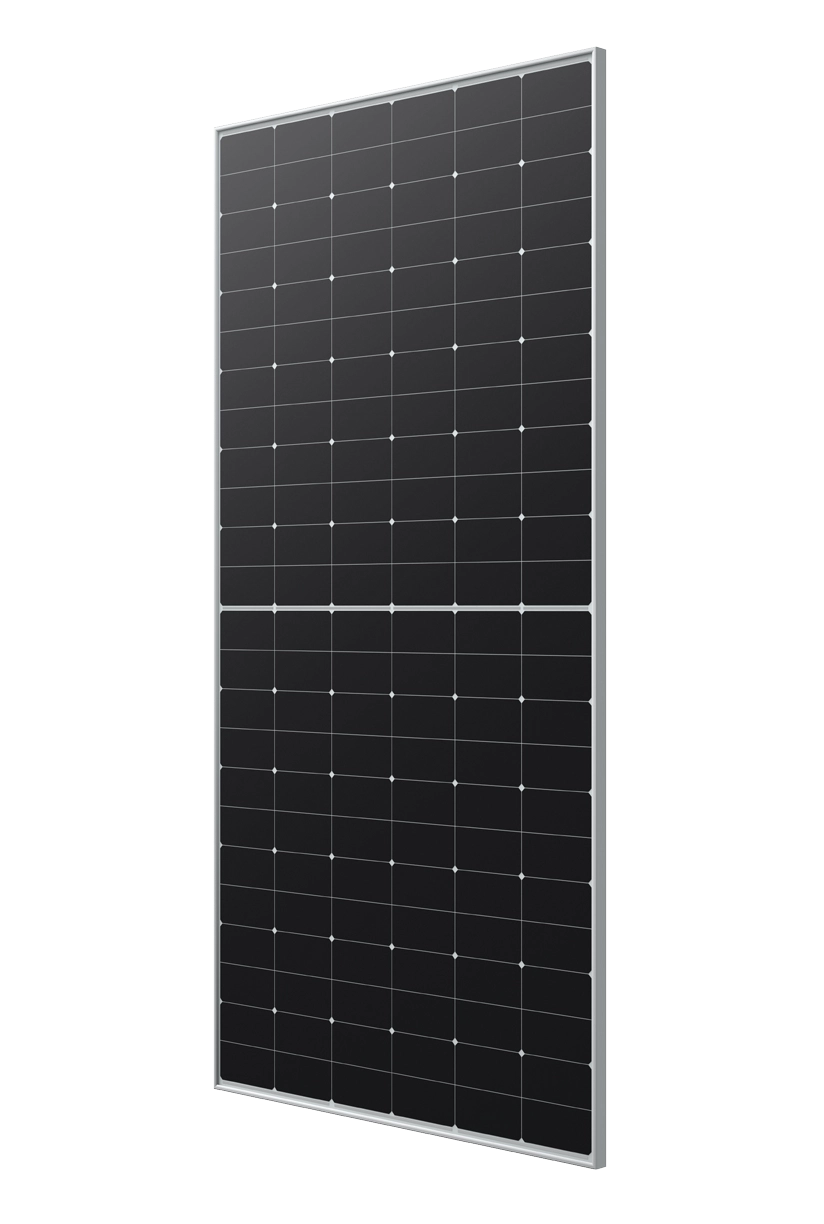
LONGi Hi-MO X6 450W
£85450
23
1722 x 1134 x 30
21.3
Affiliate link — we may earn a small commission at no extra cost to you
The regulatory barriers
Supply licence requirements
In the UK, anyone selling electricity to consumers generally needs a supply licence from Ofgem. This exists to protect consumers — ensuring they have billing rights, complaint procedures, and switching freedom. But it makes small-scale P2P trading between neighbours legally complex.
Exemptions exist for small-scale supply (e.g., landlords supplying tenants), but they don't neatly cover P2P trading between separate households on the public grid.
Network charges

Even if two neighbours trade energy "locally", the electricity physically travels through the distribution network. The distribution network operator (DNO) charges for using this infrastructure. These charges are currently embedded in your retail electricity price and aren't easily separated for P2P transactions.
If P2P traded electricity still attracts full network charges, the price advantage over standard supply diminishes significantly.
Balancing and settlement
The UK electricity market operates through a complex balancing mechanism managed by National Grid ESO. Every unit of electricity must be accounted for — generated, consumed, imported, exported. P2P trades need to integrate with this settlement system, which wasn't designed for millions of small bilateral transactions.
Consumer protection
If your neighbour's solar system fails and they can't supply the electricity you've contracted to buy, who provides backup? Consumer protection regulations require a fallback supply arrangement, which effectively means a licensed supplier must be involved anyway.
Regulatory reform is slow
Ofgem and BEIS/DESNZ have acknowledged the need for regulatory reform to enable local energy trading. Several consultations and reviews have taken place. But energy market regulation is complex, and changes that affect millions of consumers and billions of pounds of infrastructure investment move slowly. Don't expect dramatic regulatory changes in the next 2–3 years.
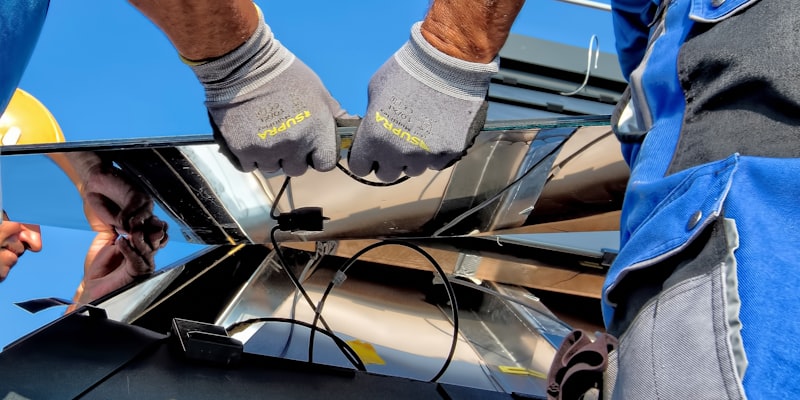
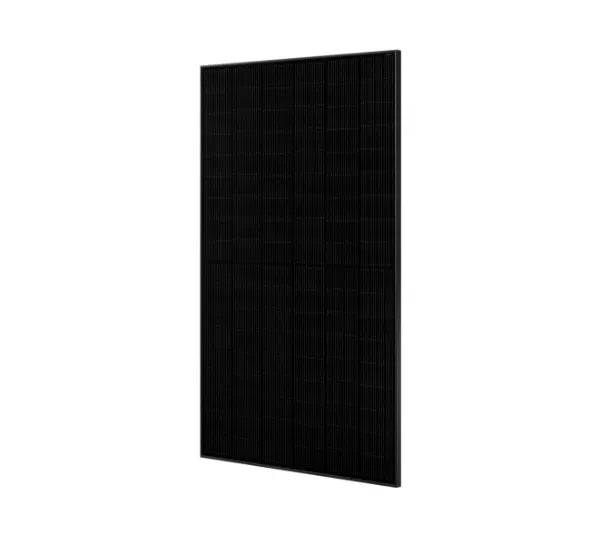
JA Solar JAM54D41 450W N-type TOPCon
£82450
22.8
1722 x 1134 x 30
21.5
Affiliate link — we may earn a small commission at no extra cost to you
What might actually happen
Near term (2026–2028)
- Community energy clubs (like Energy Local) expand, using licensed supplier partnerships to work within existing regulations
- Tariffs like Octopus Flux, which reward export during peak hours, provide some of the financial benefit of P2P without the complexity
- VPP schemes aggregate distributed generation for grid services — not true P2P but a step towards distributed energy markets
Medium term (2028–2030)
- Ofgem may introduce a new licence category or exemption framework for small-scale local energy trading
- Smart meter data enables half-hourly matching of local generation and consumption
- Pilot P2P trading platforms may operate at neighbourhood scale in selected areas
Longer term (2030+)
- If regulatory barriers are addressed, P2P trading platforms could operate alongside (not replace) traditional suppliers
- Local energy markets might allow pricing that reflects actual local network conditions
- Blockchain or equivalent technology handles millions of micro-transactions transparently
What should UK solar owners do now?
Don't wait for P2P trading to justify a solar installation. The current value proposition — self-consumption, battery storage, SEG export, tariff arbitrage — is already strong and will only improve as dynamic pricing becomes more common.
If P2P trading does eventually become practical, solar + battery households will be the primary beneficiaries. You'll already have the generation and storage infrastructure in place; P2P would simply be an additional revenue stream.
In the meantime:
- Maximise self-consumption — worth ~24.5p/kWh, more than any realistic P2P selling price
- Choose a good export tariff — Octopus Flux or Agile Outgoing already reward peak-time export
- Consider VPP participation — earning money from grid services with your battery
- Join community energy groups — support local renewable projects, even if true P2P isn't available yet
The vision of neighbours trading solar electricity is compelling and may eventually become reality. But the financial case for solar today doesn't depend on it — and that's actually good news.
Share this article

Leading UK provider of electric car charging cables and EV accessories. Cables for all UK and EU models, with fast delivery and expert support.
Affiliate link — we may earn a small commission at no extra cost to you
Stay informed
Get free solar updates direct to your inbox
Related reading
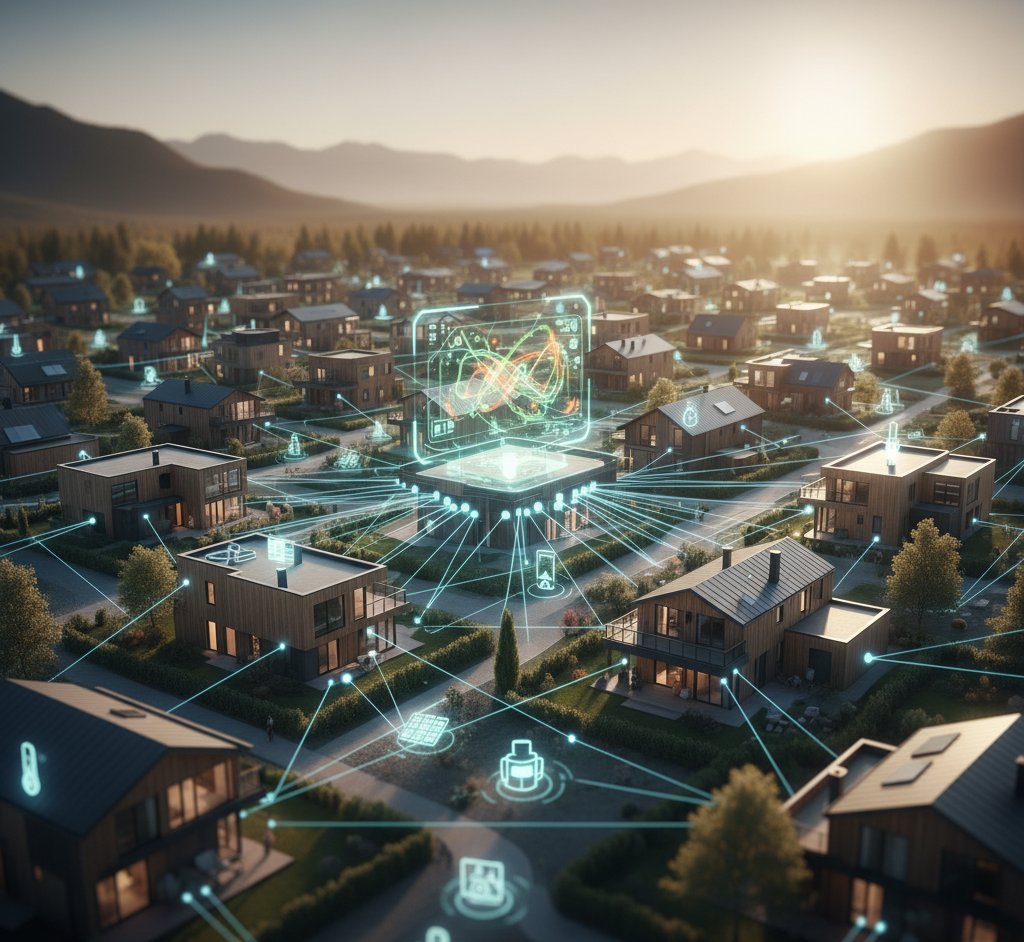
Virtual Power Plants: Your Battery in the Grid
How virtual power plants (VPPs) work in the UK, which battery brands participate, and how much you can earn by letting the grid use your home battery.
SEG Rate Comparison: Who Pays the Most for Export?
Compare Smart Export Guarantee (SEG) rates from UK energy suppliers in 2026. Find who pays the best rate for your exported solar electricity.

Dynamic Energy Pricing: The Future of Electricity Bills
How dynamic and time-of-use electricity pricing works in the UK, which tariffs are available, and why solar + battery owners benefit most from variable rates.


Switch to Octopus Energy
Get 50 credit when you switch. We get 50 too — win-win.
What does this mean for YOUR home?
Design your perfect solar setup in under 3 minutes. Free, no sign-up required.
Build Your Solar System