This page contains affiliate links. If you purchase through them we may earn a small commission at no extra cost to you. Learn more
Cheapest 20kWh Battery Storage Options in the UK (2026)

Why 20kWh?
Most battery storage guides recommend 5–10kWh for a typical UK household. So why would you want 20kWh?
Time-of-use tariff arbitrage. On tariffs like Octopus Go (5.5p/kWh overnight, 24p during the day) or Octopus Flux, a larger battery means more cheap overnight energy shifted to expensive daytime hours. At 20kWh, you can potentially cover an entire day's consumption from cheap overnight charging alone.
High-usage households. If you have an electric vehicle charger, heat pump, or large family, 10kWh doesn't last the evening. 20kWh provides genuine overnight coverage.
Energy independence. With 20kWh of storage and a 6–8kW solar array, you can reach 80–90% self-sufficiency in summer months. Some days you'll barely touch the grid.
Future-proofing. As electricity prices remain high and time-of-use tariffs become more common, larger battery capacity becomes more financially justified.
The options, ranked by cost
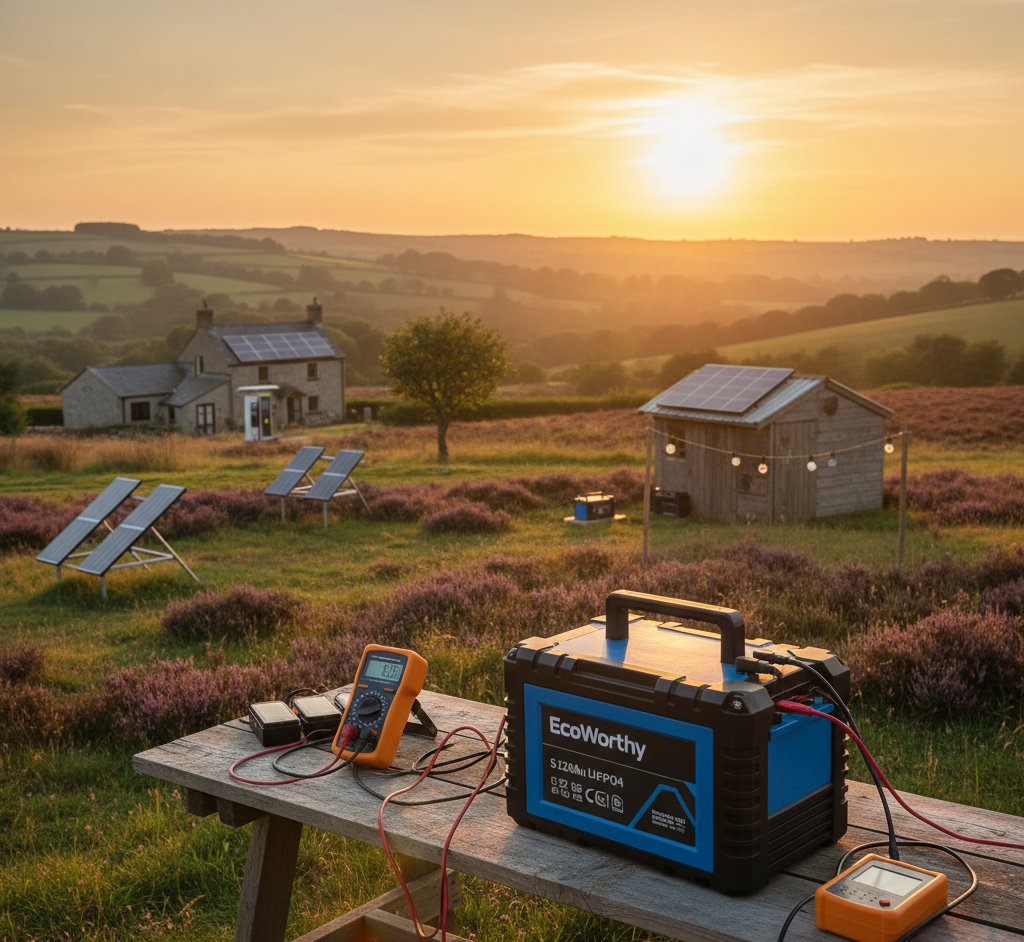
Option 1: Budget DIY — EcoWorthy modules (~£3,600)
| Component | Cost |
|---|---|
| 4x EcoWorthy 5.12kWh LiFePO4 modules | £2,800 |
| Budget hybrid inverter (Solis/SoFar 5kW) | £600 |
| Wiring, fuses, isolator, rack | £200 |
| Total (before electrician) | £3,600 |
Cost per kWh: ~£176
This is the absolute floor for 20kWh of new LiFePO4 storage in the UK. Four EcoWorthy modules paralleled together with a budget inverter.
Pros:
- Staggeringly cheap — less than many 5kWh professional install systems
- Uses commercially available, warranty-backed components
- Expandable — add more modules later
Cons:
- EcoWorthy's 5-year warranty and 4,000-cycle rating are the lowest of any serious option
- CAN bus compatibility can be finicky — expect configuration time
- Budget inverters may lack features (no backup power, basic monitoring)
- You're managing the entire integration yourself
Option 2: Cell-level DIY build (~£2,800)
| Component | Cost |
|---|---|
| 2x 16S packs from EVE LF280K cells (28.6kWh actual) | £1,600 |
| 2x JK BMS (active balancing) | £250 |
| Enclosures, bus bars, compression kits | £250 |
| Victron MultiPlus-II 5000 inverter | £1,500 |
| Wiring, fuses, isolators | £200 |
| Total (before electrician) | £3,800 |
Cost per kWh: ~£133 (based on 28.6kWh actual capacity)
Building from raw cells gives you more capacity for the money (28.6kWh from two 16S packs) and significantly better components than the EcoWorthy route. The Victron inverter is vastly superior to budget alternatives.
Pros:
- Best cells (EVE Grade-A) with active balancing BMS
- Victron ecosystem is rock-solid with excellent monitoring
- More capacity than 20kWh target
- Maximum flexibility and repairability
Cons:
- Requires genuine building skills — see our cell sourcing and build guide
- 2–3 weekends of work for a first-time builder
- No single warranty covering the whole system
Option 3: Fogstar Drift modules (~£7,800)
| Component | Cost |
|---|---|
| 4x Fogstar Drift 5.12kWh modules | £6,000 |
| GivEnergy 5kW hybrid inverter | £1,200 |
| Wiring, fuses, isolator, rack | £250 |
| Electrician (connection) | £350 |
| Total | £7,800 |
Cost per kWh: ~£381
The Fogstar Drift is the quality DIY option. Four modules paralleled with a GivEnergy inverter is a proven, reliable combination that most competent DIYers can set up in a day.
Pros:
- Excellent build quality and 10-year warranty
- CAN bus communication works out of the box with GivEnergy
- 6,000-cycle rating
- UK-based support from Fogstar
Cons:
- Nearly 3x the cost of EcoWorthy for the same capacity
- Still requires DIY assembly and electrician connection
- Not MCS-certified
Option 4: Professional install installed (~£15,000–£18,000)

| System | Capacity | Installed cost |
|---|---|---|
| 2x GivEnergy All-in-One 9.5kWh | 19kWh | £12,000–£15,000 |
| 2x Tesla Powerwall 3 | 27kWh | £16,000–£20,000 |
Cost per kWh: £630–£740 (GivEnergy) / £590–£740 (Tesla)
Professionally installed, MCS-certified, fully warranted. The simplest option but at a massive price premium.
Pros:
- MCS certification — eligible for SEG, grants, and full insurance coverage
- Full manufacturer warranty
- Professional installation with compliance documentation
- Backup power capability
- Zero technical skill required
Cons:
- 3–7x more expensive than DIY options
- Less flexibility in system design
- Dependent on installer availability and pricing
The real-world savings: how fast does 20kWh pay back?
Scenario 1: Octopus Go tariff arbitrage
- Charge 20kWh overnight at 5.5p/kWh = £1.10/night
- Use 20kWh during the day, avoiding 24p/kWh import = £4.80 saved
- Net daily saving: £3.70
- Annual saving: ~£1,350
| Build option | Total cost | Payback period |
|---|---|---|
| EcoWorthy DIY | £3,600 | 2.7 years |
| Cell-level DIY | £3,800 | 2.8 years |
| Fogstar DIY | £7,800 | 5.8 years |
| Professional install (GivEnergy) | £13,500 | 10 years |
Scenario 2: Solar self-consumption (no time-of-use tariff)
With a 6kW solar array, 20kWh of battery storage captures most surplus generation:
- Estimated additional self-consumption: 3,000 kWh/year
- Value at avoided import (24p/kWh): ~£720/year
- Minus lost SEG export (12p/kWh × 3,000): -£360/year
- Net annual saving: ~£360/year
| Build option | Total cost | Payback period |
|---|---|---|
| EcoWorthy DIY | £3,600 | 10 years |
| Cell-level DIY | £3,800 | 10.6 years |
| Fogstar DIY | £7,800 | 21.7 years |
| Professional install (GivEnergy) | £13,500 | 37.5 years |
The time-of-use tariff scenario makes the investment case for large batteries significantly stronger. If you're not on a time-of-use tariff and you're building a 20kWh system, consider switching to one.
Which option should you choose?
Choose EcoWorthy if: you're on a strict budget, have electrical experience, and accept the shorter warranty. Best combined with a time-of-use tariff where the fast payback justifies the lower build quality.
Choose cell-level build if: you enjoy the technical challenge, want maximum value, and have the time for testing and assembly. The best balance of cost and quality for experienced builders.
Choose Fogstar Drift if: you want DIY savings with premium components and minimal integration hassle. The "I want it to work first time" option for DIY builders.
Choose professional install if: you want zero hassle, full warranty, MCS certification, and can afford the premium. Or if you need grant eligibility that requires MCS certification.
The hybrid approach
Consider starting with 2x EcoWorthy modules (10kWh, ~£1,400) on a budget inverter to prove the concept and start saving immediately. After a year, you'll know whether you want to expand. Add 2 more modules, or upgrade to Fogstar Drift units, based on real experience. There's no rule that says you have to build the whole system on day one.
Final thought
20kWh of battery storage is no longer the preserve of wealthy eco-enthusiasts. At £3,600 for a budget DIY build, it's accessible to any homeowner with moderate electrical competence. Combined with a time-of-use tariff, the payback is genuinely fast — faster than solar panels alone in many cases.
Here's the budget battery module that makes 20kWh affordable for most households:
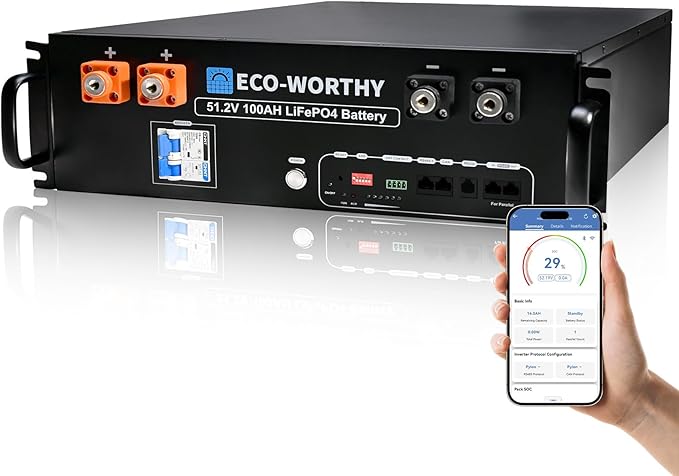
ECO-WORTHY 5.12kWh LiFePO4 Battery Module
£7005.12
4.9
LFP
4000
Affiliate link — we may earn a small commission at no extra cost to you
For the quality DIY route with a better warranty and cycle life:
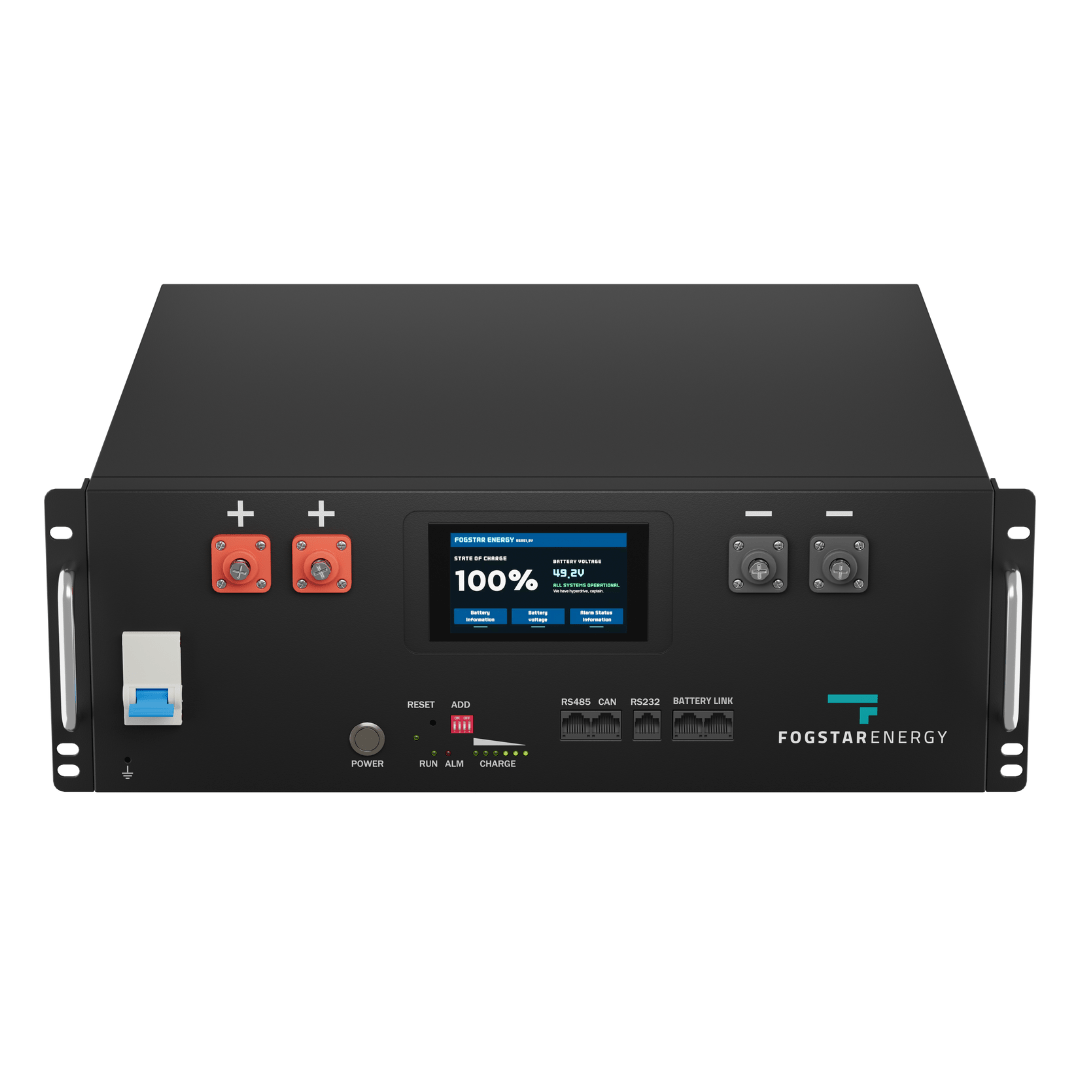
Fogstar Drift 5.12kWh LiFePO4 Battery
£1,5005.12
5
LFP
6000
Affiliate link — we may earn a small commission at no extra cost to you
The technology works. The economics work. The question is just how much installation complexity you're willing to take on yourself.
Share this article

OVO has carefully selected trusted teams across the UK to install solar panels and heat pumps. Enjoy the personal touch of a local expert with the peace of mind of a household name.
Affiliate link — we may earn a small commission at no extra cost to you
Stay informed
Get free solar updates direct to your inbox
Related reading
Solar Battery Storage: Complete UK Guide 2026
Everything you need to know about adding battery storage to a UK solar installation — types, sizing, costs, and which products are worth considering in 2026.
DIY Battery Storage in the UK: Complete Beginner's Guide
A practical guide to building your own DIY solar battery storage system in the UK — costs, legality, components, and whether it's actually worth it in 2026.
EcoWorthy 5.12kWh Battery Review: Budget LiFePO4 Tested
Honest review of the EcoWorthy 5.12kWh LiFePO4 server-rack battery — is the UK's cheapest rack battery actually any good for DIY solar storage?


Switch to Octopus Energy
Get 50 credit when you switch. We get 50 too — win-win.
What does this mean for YOUR home?
Design your perfect solar setup in under 3 minutes. Free, no sign-up required.
Build Your Solar System