This page contains affiliate links. If you purchase through them we may earn a small commission at no extra cost to you. Learn more
Solar Panel Myths Busted: 10 Things People Get Wrong
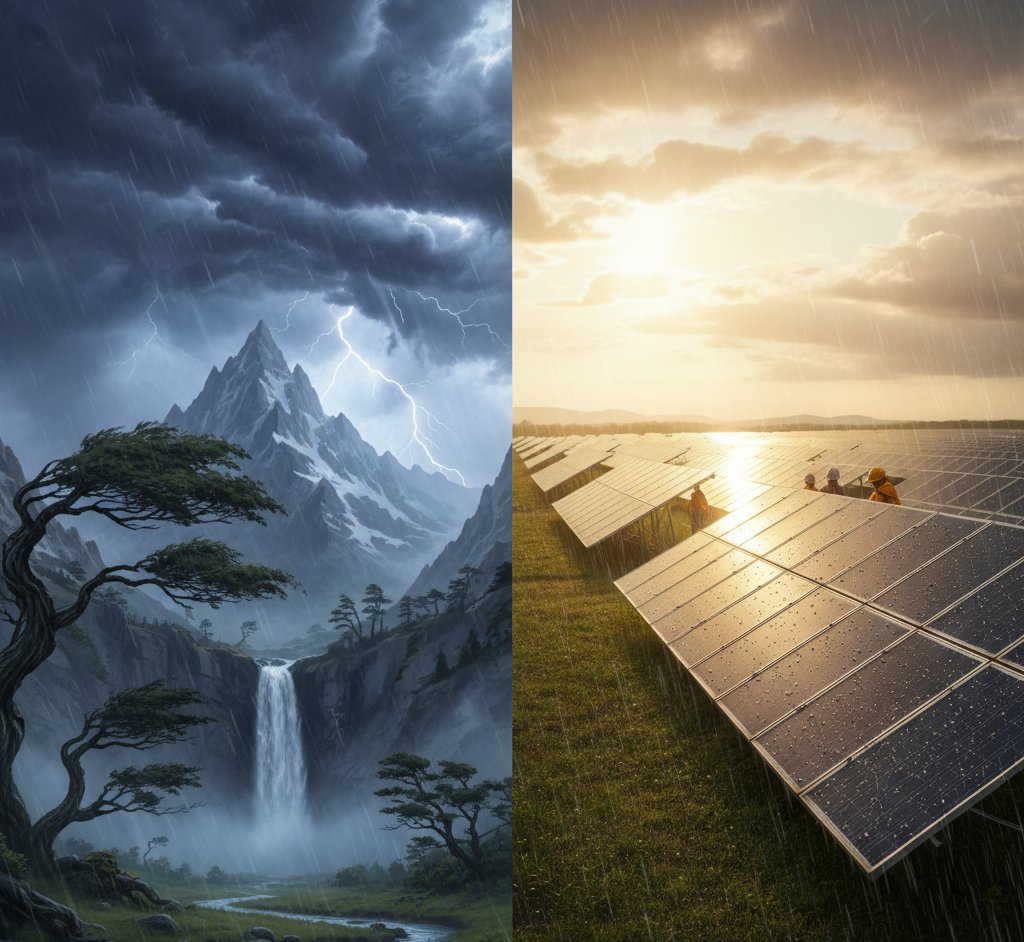
Myth 1: "Solar panels don't work in the UK — not enough sun"
This is the most persistent myth, and it's completely wrong. The UK receives 900–1,200 kWh of solar irradiation per square metre per year. Germany, which led the world in solar installations for over a decade, receives roughly the same.
A typical 4kW system in southern England generates 3,800–4,200 kWh per year. Even in Scotland, the same system produces 3,200–3,600 kWh. That's enough to cover 80–100%+ of an average household's electricity consumption.
Solar panels don't need blazing sunshine. They generate electricity from daylight — including the diffuse light that comes through clouds. On an overcast day, a panel might produce 10–25% of its peak output. It's not zero, and those kWh add up across the year.
Myth 2: "Solar panels only work when the sun is shining"
Partly true — panels only generate during daylight hours. But this myth implies solar is useless when combined with the fact that you use most electricity in the evening.
The solution is well-established: a battery stores surplus daytime generation for evening use. With a 5–10kWh battery, a solar household can use 60–80% of its own generation, dramatically reducing grid dependency.
Even without a battery, daytime generation powers your fridge, freezer, router, and any appliances you run during the day. Plus, surplus exports to the grid earn SEG payments.
Myth 3: "It takes 20 years to pay for itself"
This was vaguely true in 2010, when panels cost three times more and electricity was much cheaper. In 2026:
- A 4kW system costs £5,000–£7,000
- It saves £500–£800 per year on electricity bills (more with a battery)
- Payback period: 6–9 years in most cases
- The panels then generate free electricity for another 15–20+ years
At today's electricity prices (~24p/kWh), solar payback is faster than it's ever been. If electricity prices rise (as most forecasts suggest), it's even better.
Myth 4: "Panels damage your roof"
When installed correctly by a qualified, MCS-certified installer, solar panels do not damage your roof. Standard mounting uses roof hooks that slide under tiles, secured to the rafters. No tiles are broken, and the hooks are designed to maintain the waterproof integrity of the roof.
In fact, panels protect the area of roof they cover — shielding tiles from UV degradation, rain, hail, and frost. It's not uncommon for the tiles under panels to be in noticeably better condition after 20 years.
The risk of damage comes from poor installation — unqualified installers who crack tiles, miss rafters, or use inappropriate fixings. This is why MCS certification matters.
Flat roof installations need care
On flat roofs, panels are mounted on frames with ballast (weights) to hold them down without penetrating the roof membrane. If the ballast is insufficient, wind can lift panels. If the roof structure can't support the weight, there's a risk of structural damage. Always get a structural assessment for flat roof installations.
Myth 5: "You need a south-facing roof"
South-facing is optimal, yes. But it's far from the only option that works.
- South-facing roof: 100% of optimal generation
- South-east or south-west: 95% of optimal
- East or west facing: 80–85% of optimal
- East/west split (panels on both sides): 85–90% of optimal combined
An east/west split is actually advantageous in some ways — it spreads generation across a longer day (morning production from the east, afternoon from the west), which improves self-consumption without a battery.
The only orientation that's genuinely poor is north-facing — typically 55–65% of optimal. Even then, shallow-pitched north-facing roofs can work in some cases.
Myth 6: "Panels need constant maintenance"
Solar panels have no moving parts. They require essentially zero maintenance. Rain keeps them reasonably clean in the UK, and the slight efficiency loss from dirt (1–3%) is trivial.
The only maintenance recommendation is:
- Annual visual check — look for obvious physical damage, bird mess, or debris
- Monitor output — your app will show if a panel or inverter develops a problem
- Inverter replacement — once in the panel lifetime (at 10–15 years), costing £500–£1,000
That's it. No servicing, no consumables, no ongoing costs.
Myth 7: "Solar panels make your house harder to sell"
The evidence suggests the opposite. A 2023 study by Rightmove found that properties with solar panels sold for an average of 1.8% more than comparable properties without them. The Energy Performance Certificate (EPC) improvement from solar panels is also an asset, especially with upcoming EPC regulations.
Some buyers do worry about panel maintenance or roof access, but these concerns are easily addressed. Most estate agents now view solar as a selling point, particularly with high electricity prices.
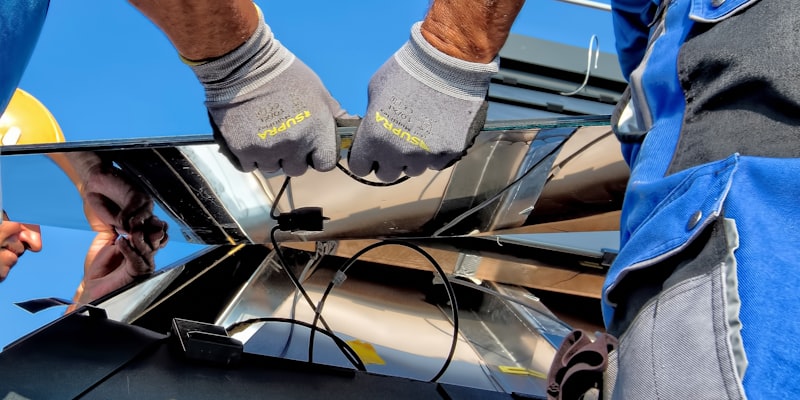
Myth 8: "You need planning permission"
For most UK homes, solar panels are classified as permitted development — no planning permission required. This applies as long as:
- Panels don't protrude more than 200mm from the roof plane
- They don't extend above the highest part of the roof (excluding chimney)
- The property isn't listed or in a conservation area, National Park, or AONB (these require planning permission)
In practice, about 90% of UK residential installations proceed under permitted development with no planning application.
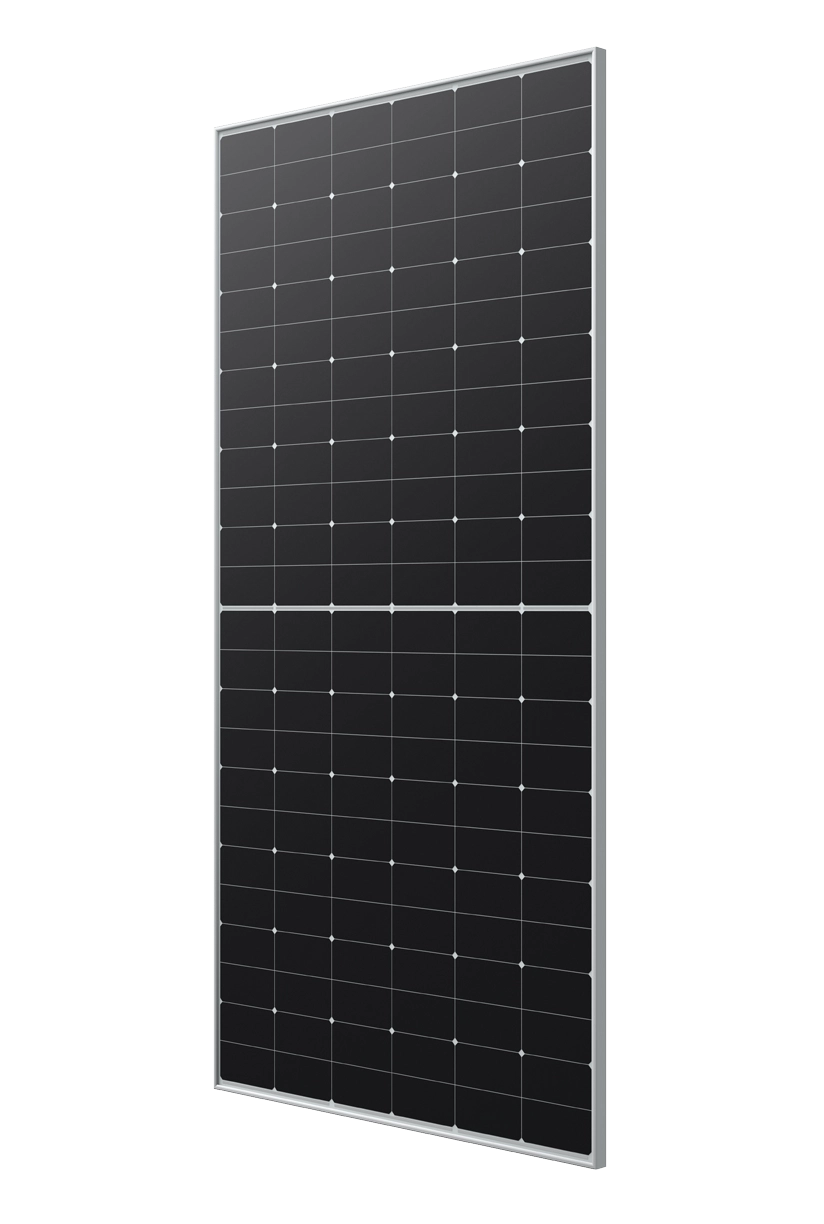
LONGi Hi-MO X6 450W
£85450
23
1722 x 1134 x 30
21.3
Affiliate link — we may earn a small commission at no extra cost to you
Myth 9: "You can't have solar panels with a combi boiler"
You absolutely can have solar panels with a combi boiler. The panels generate electricity, which is completely separate from your boiler.
What you can't easily do is use a solar diverter (like an Eddi or iBoost) with a combi boiler, because diverters need a hot water cylinder with an immersion element. Combi boilers heat water on demand without a tank.
But the panels themselves work exactly the same regardless of your boiler type. The electricity they generate powers your home, charges a battery, or exports to the grid — none of which involves your boiler.
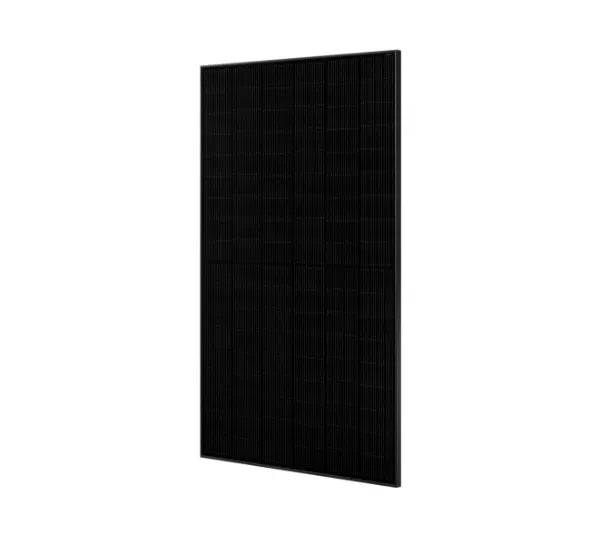
JA Solar JAM54D41 450W N-type TOPCon
£82450
22.8
1722 x 1134 x 30
21.5
Affiliate link — we may earn a small commission at no extra cost to you
Myth 10: "Solar technology will be much better soon, so I should wait"
Solar technology has improved roughly 0.5% absolute efficiency per year over the past decade. A panel that was 20% efficient in 2020 is 22–24% efficient in 2026. This is useful but incremental.
Meanwhile, electricity prices have risen roughly 8% per year since 2020. Every year you wait, you pay more for grid electricity while panels get only marginally better.
The maths is clear: a system installed today will generate thousands of kWh (and save hundreds of pounds) during the years you'd spend waiting for the "next generation" of panels. The best time to install was 10 years ago. The second best time is now.
Technology always improves — that's not a reason to wait
If you'd waited for better laptop technology in 2016, you'd have missed 10 years of productive use. Solar is the same. Today's panels are excellent, affordable, and will generate clean electricity for 25–30+ years. Future improvements will be marginal, not transformative.
The reality
Solar energy in the UK is a mature, proven, financially sound technology. The myths persist partly from outdated information (true 15 years ago, false now) and partly from fossil fuel industry misinformation.
Every day, thousands of UK households generate their own electricity, reduce their bills, and lower their carbon footprint with solar panels. The technology works. The economics work. The only question is whether your specific roof suits it — and that's easy to check.
Share this article

OVO has carefully selected trusted teams across the UK to install solar panels and heat pumps. Enjoy the personal touch of a local expert with the peace of mind of a household name.
Affiliate link — we may earn a small commission at no extra cost to you
Stay informed
Get free solar updates direct to your inbox
Related reading
How Do Solar Panels Work? A Simple Explanation
A plain-English explanation of the photovoltaic effect, how solar electricity gets from your roof into your home, and what happens at night or on cloudy days.
How Much Do Solar Panels Cost in the UK in 2026?
Realistic UK solar panel costs broken down by system size, installation, and what actually affects the price you'll be quoted.
Is My Roof Suitable for Solar Panels?
Find out if your roof can take solar panels — covering direction, angle, shading, structural condition, and options for tricky roofs.


Switch to Octopus Energy
Get 50 credit when you switch. We get 50 too — win-win.
What does this mean for YOUR home?
Design your perfect solar setup in under 3 minutes. Free, no sign-up required.
Build Your Solar System