This page contains affiliate links. If you purchase through them we may earn a small commission at no extra cost to you. Learn more
Vehicle to Home (V2H): Using Your EV as a Battery

What is Vehicle to Home (V2H)?
Vehicle to Home is exactly what it sounds like: your electric vehicle's battery powers your house. Instead of electricity only flowing from the grid to the car, V2H allows it to flow in the opposite direction — from the car to your home.
Think of it this way: a typical home battery stores 5–10kWh. A typical EV battery stores 50–80kWh. You've got a massive battery sitting on your driveway. V2H lets you use it.
During the day, solar panels charge your EV. In the evening, when the sun sets and electricity is expensive, your EV discharges back into your home. Your house runs on stored solar energy, and the EV still has plenty of charge for your morning commute.
How V2H works technically
V2H requires three things:
- A bidirectional EV — the car must support sending power back out through its charge port, not just receiving it
- A bidirectional charger — the wall charger must convert DC battery power to AC household power (or manage bidirectional AC flow)
- Grid integration — the system must safely interface with your home's electrical system and disconnect from the grid during outages (if providing backup)
The bidirectional charger is the critical piece. It acts like a hybrid inverter for your car — converting between DC (battery) and AC (home circuits), managing power flow, and ensuring everything is safe.
Which EVs support V2H?
As of early 2026, V2H-capable vehicles in the UK include:
Currently available:
- Nissan Leaf/e-NV200 — via CHAdeMO port, the original V2H vehicle. Requires a CHAdeMO bidirectional charger.
- BYD Atto 3 / Dolphin / Seal — some models support bidirectional charging via CCS
- Hyundai Ioniq 5 / Ioniq 6 — V2L (vehicle-to-load) standard; full V2H with compatible equipment
- Kia EV6 / EV9 — similar V2L capability, V2H with compatible charger
- Genesis GV60 / GV70 — V2L/V2H capable
Coming soon / announced:
- Volkswagen ID.3 / ID.4 — bidirectional charging via software update (rolling out)
- Ford — bidirectional capability announced for future models
- Tesla — has discussed bidirectional capabilities for Cybertruck and future models but not yet available in the UK
V2L is not the same as V2H
Many EVs advertise "V2L" (Vehicle-to-Load) — a standard household socket on the car that can power small devices. V2L is useful for camping or power tools but it's NOT V2H. V2L typically provides 3.6kW from a plug socket. V2H integrates with your home's electrical system and can power your entire house. Don't confuse the two when buying a car for V2H purposes.
Bidirectional chargers available in the UK
The charger market for V2H is still developing:
- Wallbox Quasar 2 — one of the first CCS bidirectional chargers, 11.5kW bidirectional
- Indra V2H — UK-designed bidirectional charger
- Nichicon — CHAdeMO bidirectional units (for Nissan Leaf)
- Dcbel r16 — integrated solar inverter + bidirectional EV charger
These are significantly more expensive than standard EV chargers — expect £3,000–£6,000 for the unit plus installation. The technology premium is real, but falling.
V2H + solar: the killer combination
Here's why solar owners should be excited about V2H:
Daytime: Solar panels generate electricity. Some powers your home, some charges your EV via a standard charger or Zappi.
Evening (4–9pm): Solar stops generating. Your EV sends stored solar power back to your home via V2H. You avoid buying expensive peak-rate electricity.
Overnight: Your EV recharges from the grid at cheap overnight rates (~5.5p/kWh on Octopus Go). Ready for both driving and next evening's V2H discharge.
The numbers:
- Average evening household consumption (4pm–midnight): 8–12kWh
- EV battery capacity to spare: 20–40kWh (keeping 60% for driving)
- A single evening's V2H can save: 10kWh × 24p = £2.40
- Annual saving from V2H evening discharge: roughly £600–£800
Combined with solar self-consumption during the day and cheap overnight EV charging, total annual electricity cost can drop below £200.
Don't drain for driving
The key to V2H is managing how much battery you discharge to the home vs. keeping for driving. Most V2H systems let you set a minimum charge level — e.g., "never go below 50%". This ensures you always have enough range for your commute while still providing meaningful home power in the evening.
V2H vs a dedicated home battery
| Factor | V2H (EV battery) | Home battery (e.g., 10kWh) |
|---|---|---|
| Storage capacity | 50–80kWh | 5–15kWh |
| Available when needed? | Only when car is home | Always available |
| Installation cost | £3,000–£6,000 (charger) | £4,000–£10,000 (battery + inverter) |
| Battery degradation concern | Cycling EV battery adds wear | Dedicated to home use |
| Backup power | Potentially (large capacity) | Limited by battery size |
| Flexibility | Car might be away when needed | Always there |
The V2H advantage: Much larger storage capacity at potentially lower total cost (you've already bought the car and battery). A 60kWh EV battery providing 20kWh to your home still has 40kWh for driving.
The home battery advantage: Always available. Doesn't add cycles to your (expensive) EV battery. Purpose-built for home energy management.
The pragmatic answer: If V2H is available for your vehicle, it can reduce or eliminate the need for a home battery — saving you £4,000–10,000. But the car needs to be home during the hours you want to discharge, which doesn't work for everyone.
Battery degradation: the elephant in the room
Every charge-discharge cycle wears a battery slightly. EV batteries are expensive to replace (£5,000–£15,000). Adding daily V2H cycles on top of driving cycles will accelerate degradation.
The reassuring facts:
- Modern EV batteries are rated for 1,500–3,000 cycles (LFP) or 1,000–2,000 cycles (NMC)
- Daily V2H adds roughly 300–365 cycles per year
- Most EV warranties cover 70% capacity at 8 years / 100,000 miles
- Shallow cycling (20–80% range) causes far less wear than deep cycling (0–100%)
The honest assessment: V2H will reduce your EV battery's lifespan somewhat. But if managed sensibly (shallow cycles, LFP chemistry, keeping within 20–80% range), the impact is modest — perhaps 5–10% more degradation over 8 years. The energy savings over that period (£5,000–7,000) likely exceed any additional battery wear cost.
Current limitations in the UK
V2H is promising but not yet mainstream:
- Limited vehicle compatibility — most EVs can't do V2H yet
- Expensive chargers — bidirectional chargers cost 3–5x more than standard ones
- Installer availability — not many electricians are experienced with V2H installations
- Standards still evolving — CCS bidirectional standards are being finalised
- Warranty concerns — some manufacturers are ambiguous about whether V2H voids battery warranty
These limitations are temporary. The technology is advancing rapidly, costs are falling, and vehicle manufacturers are increasingly building in bidirectional capability. By 2028, V2H is expected to be a mainstream option.
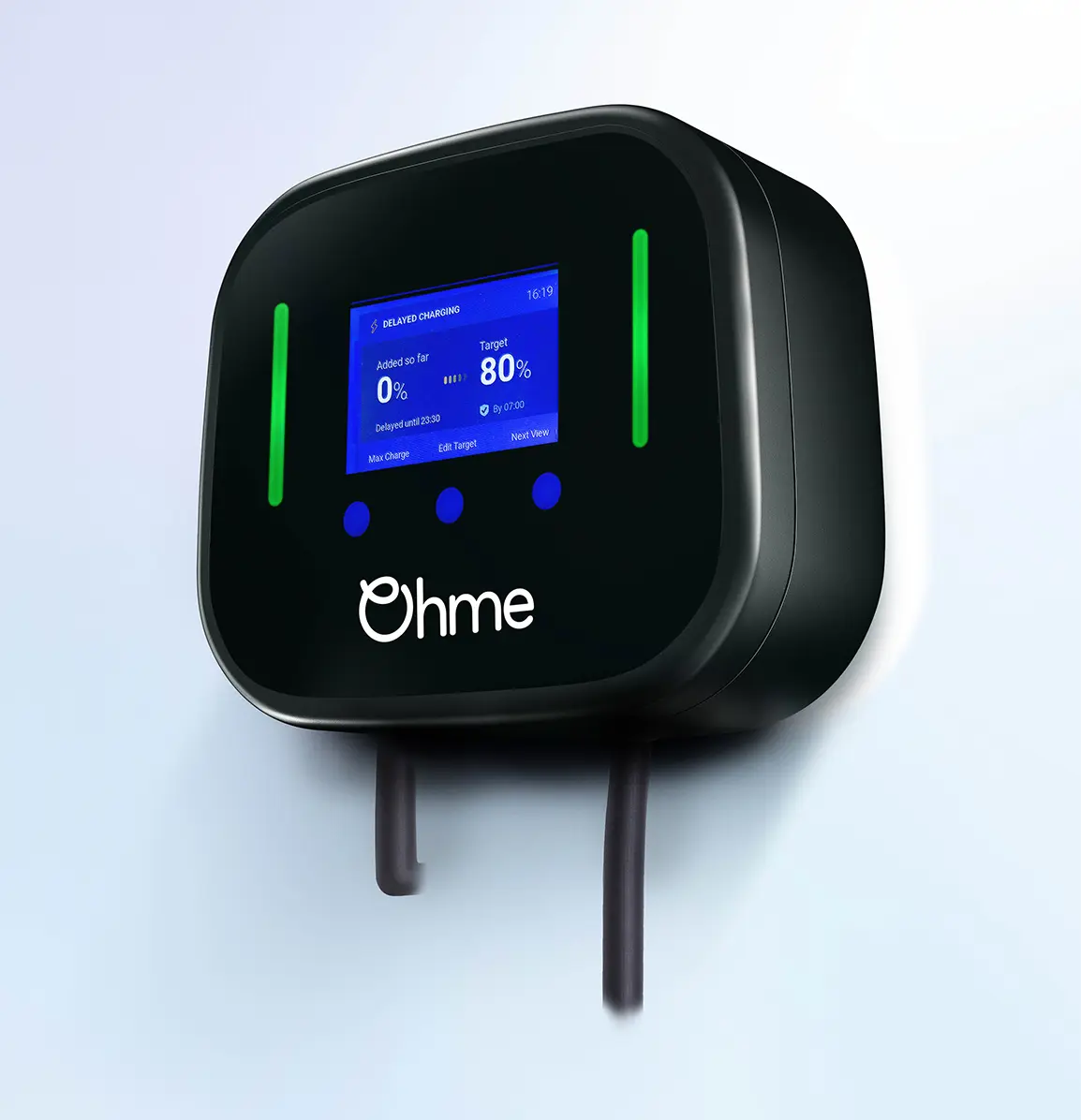
Ohme Home Pro 7.4kW EV Charger
£6007.4
smart,scheduled,manual
false
true
Affiliate link — we may earn a small commission at no extra cost to you
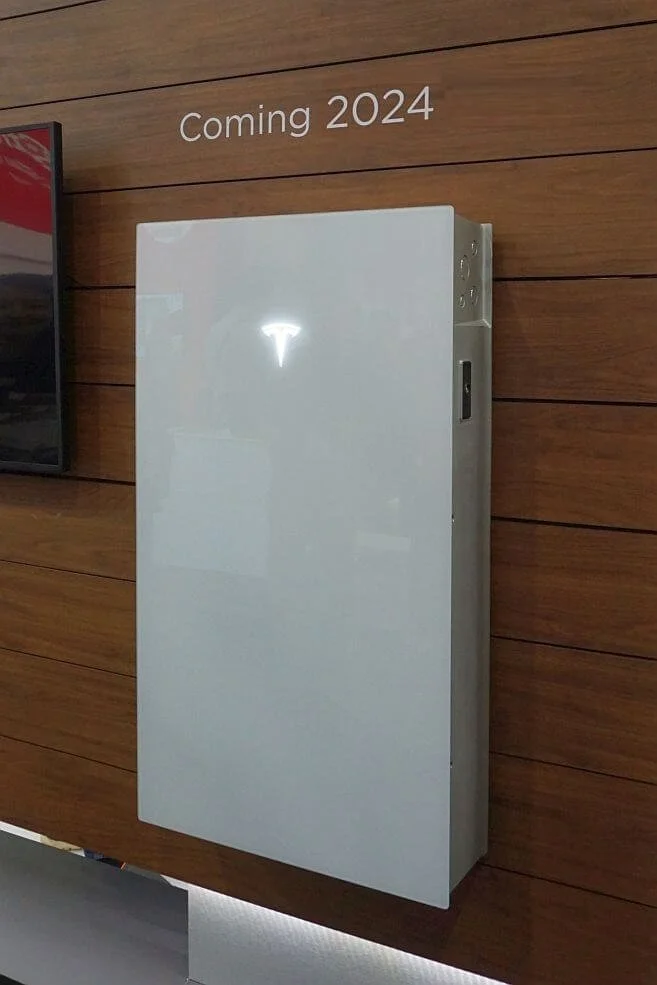
Tesla Powerwall 3
£8,50013.5
13.5
LFP
4000
Affiliate link — we may earn a small commission at no extra cost to you
Should you wait or act now?
Act now if:
- You have a compatible vehicle (Nissan Leaf, Hyundai Ioniq 5, etc.)
- You want to be an early adopter and maximise savings immediately
- You'd otherwise buy a home battery (V2H may be cheaper)
Wait if:
- Your current EV doesn't support bidirectional charging
- You're buying a new EV soon and can choose a V2H-capable model
- You want prices to drop and standards to stabilise
For most UK solar households in 2026, V2H is on the radar but not yet the default recommendation. A dedicated home battery remains the more practical, proven solution. But V2H's trajectory is clear — it's coming, and it will transform how we think about home energy storage.
Share this article

Leading UK provider of electric car charging cables and EV accessories. Cables for all UK and EU models, with fast delivery and expert support.
Affiliate link — we may earn a small commission at no extra cost to you
Stay informed
Get free solar updates direct to your inbox
Related reading
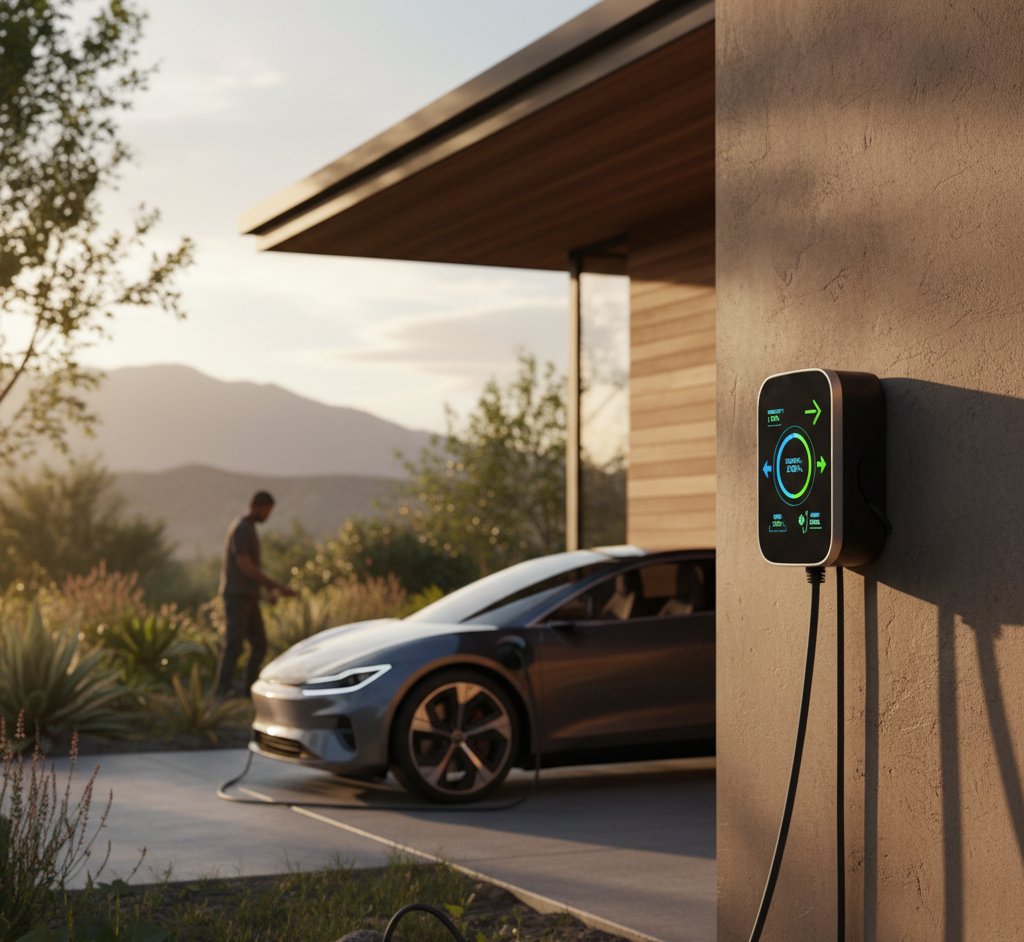
Vehicle to Grid (V2G): Getting Paid to Charge Your EV
How vehicle-to-grid (V2G) technology works in the UK — earning money by sending EV power back to the grid, trial results, and when it will become mainstream.
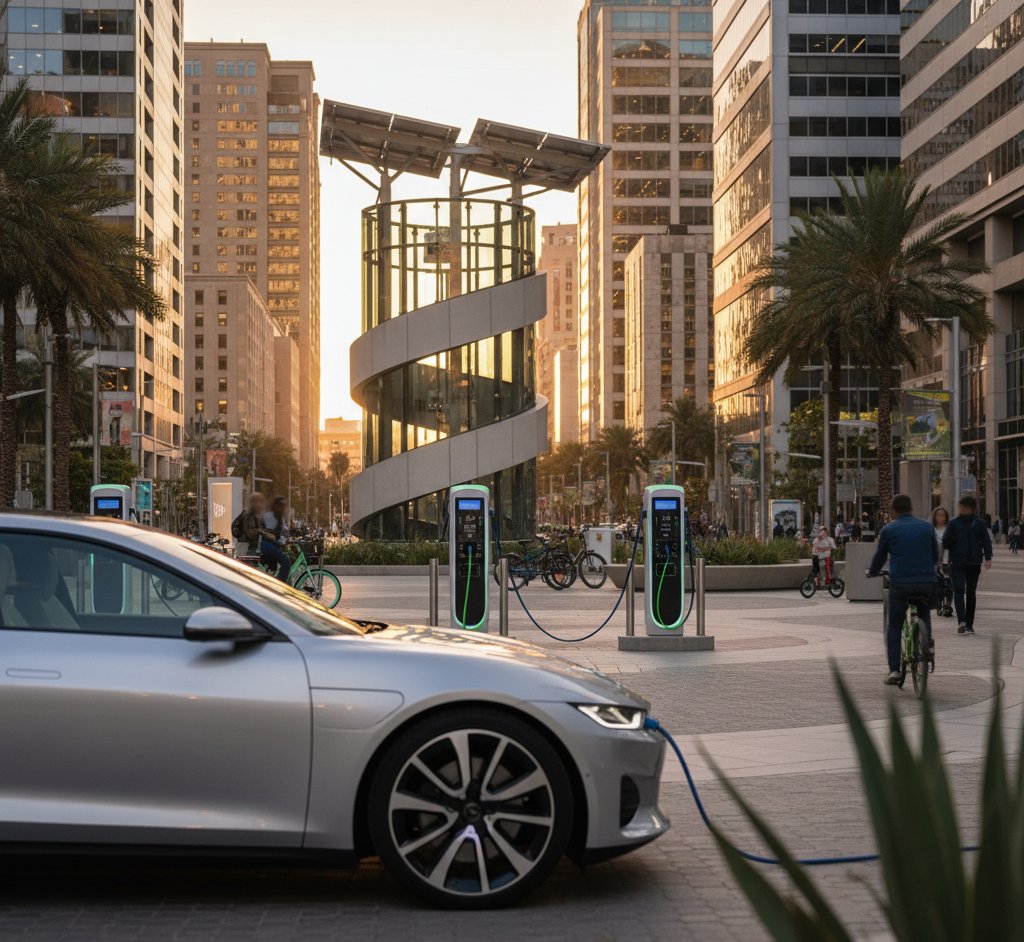
V2X Explained: The Future of EV Energy Integration
What V2X means for UK EV and solar owners — vehicle-to-everything technology covering V2H, V2G, V2L, and V2B, and why it matters for the energy transition.
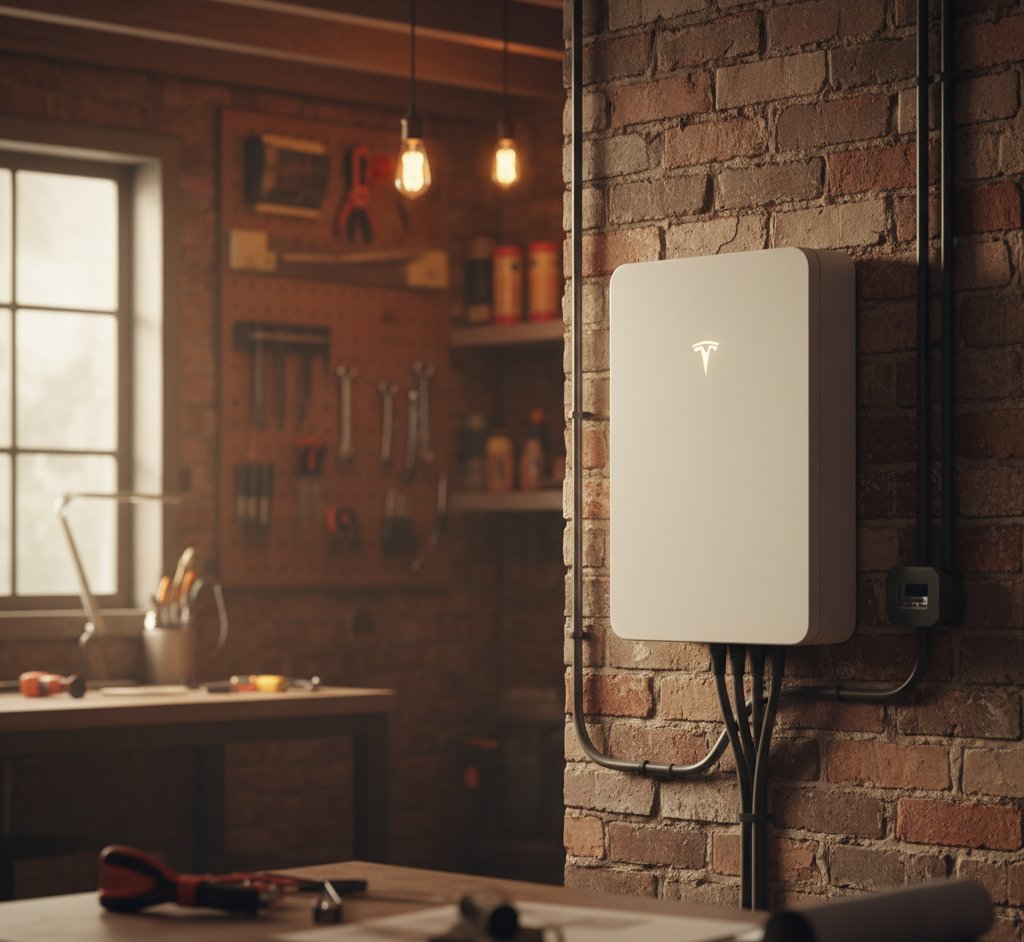
Solar Battery Storage: Complete UK Guide 2026
Everything you need to know about adding battery storage to a UK solar installation — types, sizing, costs, and which products are worth considering in 2026.


Switch to Octopus Energy
Get 50 credit when you switch. We get 50 too — win-win.
What does this mean for YOUR home?
Design your perfect solar setup in under 3 minutes. Free, no sign-up required.
Build Your Solar System