This page contains affiliate links. If you purchase through them we may earn a small commission at no extra cost to you. Learn more
Solar Panels by Location: UK City, County, and Regional Guides
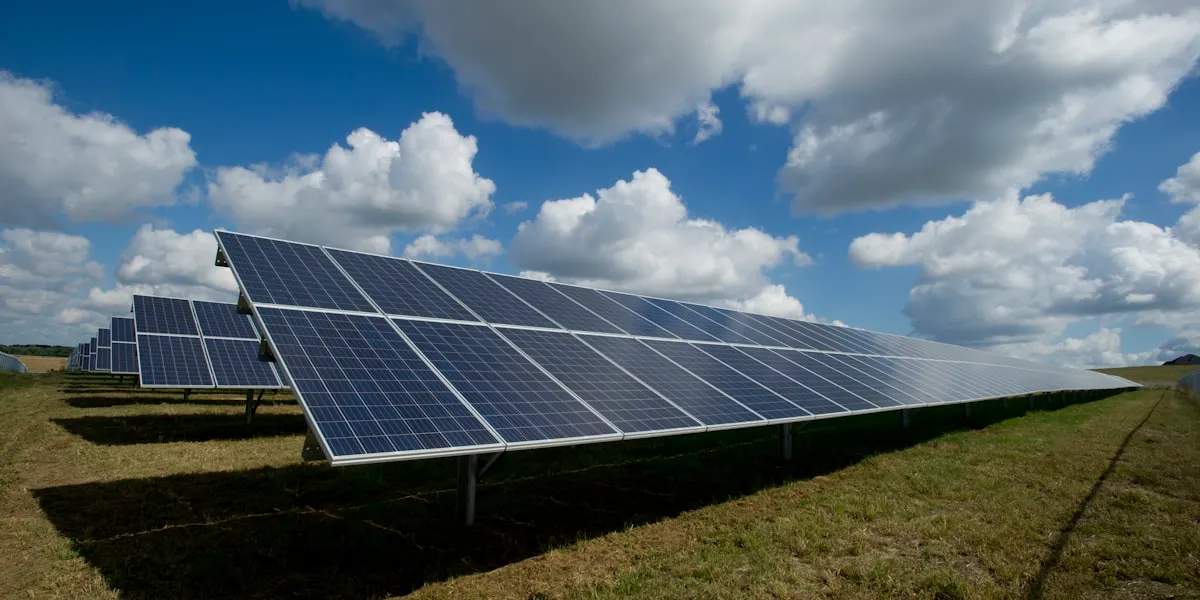
Solar performance, installer availability, and incentive schemes all vary across the UK. A system sized for Cornwall will behave very differently from one installed in Aberdeen. The irradiance your panels receive, the Distribution Network Operator (DNO) whose rules govern your grid connection, and any regional or devolved grant programmes are all location-specific.
These guides cover what matters for your specific area — not just a generic calculation, but the real-world context for where you live.
South East England
The South East receives the highest solar irradiance in the UK, typically 1,100–1,200 kWh/m²/year. DNO: UK Power Networks. Systems here tend to have the shortest payback periods in England.
- Solar panels in Brighton
- Solar panels in Portsmouth
- Solar panels in Southampton
- Solar panels in Reading
- Solar panels in Maidstone
- Solar panels in Crawley
- Solar panels in Slough
- Solar panels in High Wycombe
- Solar panels in Watford
- Solar panels in Chelmsford
- Solar panels in Colchester
- Solar panels in Kent
- Solar panels in Surrey
- Solar panels in Sussex
- Solar panels in Hampshire
- Solar panels in Essex
- Solar panels in Hertfordshire
- Solar panels in Oxfordshire
South West England
The South West has strong irradiance — particularly along the coastal areas of Cornwall and Devon — and a large concentration of MCS-certified installers. DNO: Western Power Distribution (now part of National Grid Electricity Distribution).
- Solar panels in Bristol
- Solar panels in Bath
- Solar panels in Bournemouth
- Solar panels in Poole
- Solar panels in Exeter
- Solar panels in Plymouth
- Solar panels in Cheltenham
- Solar panels in Swindon
- Solar panels in Cornwall
- Solar panels in Devon
- Solar panels in Dorset
- Solar panels in Somerset
- Solar panels in Wiltshire
Midlands
The Midlands sits in the mid-range for UK irradiance and benefits from a high density of installers thanks to its large population. DNO varies by sub-region: Western Power Distribution covers the West Midlands, UK Power Networks covers parts of the East Midlands.
- Solar panels in Birmingham
- Solar panels in Coventry
- Solar panels in Derby
- Solar panels in Leicester
- Solar panels in Nottingham
- Solar panels in Stoke-on-Trent
- Solar panels in Wolverhampton
- Solar panels in Dudley
- Solar panels in Telford
- Solar panels in Northampton
- Solar panels in Peterborough
North West England
Irradiance is moderate in the North West — similar to the Midlands on average, though with more cloud cover. DNO: Electricity North West. Installer competition is strong, particularly in the Manchester and Liverpool city regions.
- Solar panels in Manchester
- Solar panels in Liverpool
- Solar panels in Bolton
- Solar panels in Blackpool
- Solar panels in Stockport
- Solar panels in Oldham
- Solar panels in Rochdale
- Solar panels in Warrington
- Solar panels in Wigan
- Solar panels in Lancashire
- Solar panels in Cheshire
North East England
The North East has lower average irradiance than southern England, though longer summer daylight hours partially offset this. DNO: Northern Powergrid. Electricity prices are similar to the national average, so savings on bills remain meaningful.
Yorkshire
Yorkshire benefits from a reasonable balance of irradiance and relatively affordable housing, which can make solar payback competitive despite being further north than southern England. DNO: Northern Powergrid.
- Solar panels in Leeds
- Solar panels in Sheffield
- Solar panels in Bradford
- Solar panels in York
- Solar panels in Hull
- Solar panels in Wakefield
- Solar panels in Doncaster
- Solar panels in Rotherham
- Solar panels in Yorkshire
East of England
The East of England receives strong irradiance — comparable to the South East in many areas — and the flat terrain makes ground-mounted systems practical in rural areas. DNO: UK Power Networks.
- Solar panels in Cambridge
- Solar panels in Norwich
- Solar panels in Ipswich
- Solar panels in Luton
- Solar panels in Southend-on-Sea
- Solar panels in Basildon
- Solar panels in Milton Keynes
- Solar panels in Norfolk
- Solar panels in Suffolk
London
London's per-panel output is lower than the South East coast due to urban shading and air quality, but high electricity costs mean payback periods remain competitive. DNO: UK Power Networks. Permitted development rules apply as standard, though conservation areas and listed buildings require additional consideration.
- Solar panels in London (overview)
- Solar panels in Barnet
- Solar panels in Bromley
- Solar panels in Croydon
- Solar panels in Ealing
- Solar panels in Enfield
- Solar panels in Greenwich
- Solar panels in Hackney
- Solar panels in Hounslow
- Solar panels in Lambeth
- Solar panels in Lewisham
- Solar panels in Richmond
- Solar panels in Southwark
- Solar panels in Tower Hamlets
- Solar panels in Wandsworth
- Solar panels in Kingston upon Thames
Wales
Wales has moderate irradiance — broadly similar to the North West of England — with some variation between the sunnier south and the cloudier north. The devolved Nest scheme offers means-tested grants for eligible households. DNO: Western Power Distribution.
Scotland
Scotland receives less irradiance than England on average, but longer summer days mean annual generation figures are better than the raw sunshine data suggests. The devolved Warmer Homes Scotland scheme offers grant funding for eligible households. DNO varies: Scottish and Southern Electricity Networks (SSEN) covers the north and islands, SP Energy Networks covers the south.
Northern Ireland
Northern Ireland has similar irradiance levels to Scotland and operates under a separate regulatory and grid framework from Great Britain. DNO: NIE Networks. The energy market is structured differently, and some GB-only schemes (such as SEG) do not apply — the local guides cover what is available.
Not sure where to start?
If you want to understand how irradiance affects system sizing before diving into a local guide, read how much electricity do solar panels generate? first. For costs, how much do solar panels cost? gives UK-wide figures you can then contextualise with your local guide.
Share this article

Energy-saving LED lighting — make the most of your solar electricity with efficient bulbs and fixtures
Affiliate link — we may earn a small commission at no extra cost to you
Stay informed
Get free solar updates direct to your inbox
Related reading

Solar Installers in the UK: A Directory
Major solar installers operating in the UK. What each covers, how to verify MCS status, and red flags to avoid.

How to Size a Solar Panel System for Your Home
How to size a solar panel system for your UK home. Factor in electricity usage, roof space, budget, and future plans like EVs and heat pumps.
Solar Panel Grants and Funding UK 2026
A plain-English guide to every solar grant, scheme, and funding route available in the UK in 2026 — including ECO4, GBIS, HUG2, BUS, and devolved schemes.


Switch to Octopus Energy
Get 50 credit when you switch. We get 50 too — win-win.
What does this mean for YOUR home?
Design your perfect solar setup in under 3 minutes. Free, no sign-up required.
Build Your Solar System